







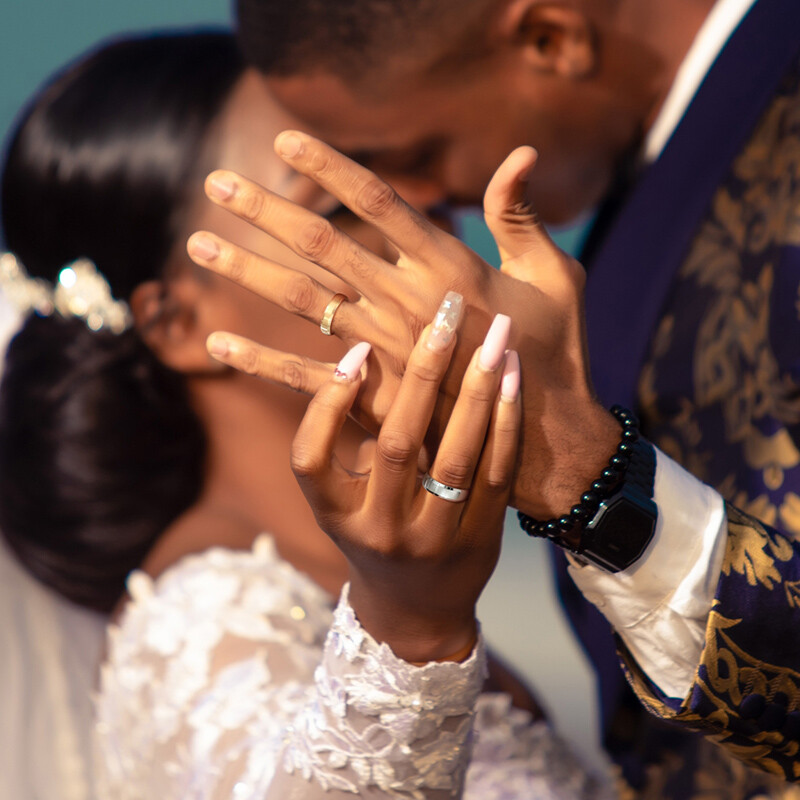
Selecting a ring, whether for an engagement, wedding, or personal use, is a significant decision that combines emotional value with lifelong wearability. Avoiding common pitfalls can help ensure the ring you choose is not only beautiful but also practical and meaningful. Here are six key mistakes to avoid when selecting a ring.
Table of Contents
1. Overlooking Metal Choices
Choosing the right metal is vital for durability, comfort, and style. Popular options include platinum, gold (yellow, white, rose), and alternative metals. Each metal varies in hardness and maintenance needs—platinum is durable but pricier, gold alloys differ in scratch resistance and color, while some metals may require frequent polishing. Do not choose purely based on trends; consider the metal’s suitability for your lifestyle and skin sensitivity to avoid future discomfort or damage.
2. Forgetting About Comfort
A ring should feel comfortable every day. Wide bands, intricate designs with high-set stones, or rings that are too tight or too loose can cause irritation or inconvenience. Take time to try on rings for comfort and consider the shape and size of your finger. An uncomfortable ring is less likely to be worn consistently and may cause frustration.
3. Ignoring Lifestyle Factors
Your daily activities should influence your ring choice. If you work with your hands or lead an active lifestyle, delicate rings with thin bands or tall settings are prone to damage. Opt for sturdy styles with protective settings and consider scratch-resistant metals. Lifestyle-based selection prevents frequent repairs or early wear.
4. Not Matching the Engagement Ring
When selecting a wedding band or stacking rings, ensure they complement each other. Different metals, widths, or styles can clash visually or cause uneven wear, especially if worn side by side. Bring your engagement ring when shopping for another ring to check compatibility and create a cohesive look.
5. Skipping Proper Sizing
Ring sizing must be accurate. Finger size changes with temperature, weight, and time of day, and wearing multiple rings together requires adjustment. Getting professional measurements, ideally at the time of purchase, ensures comfort and security. An ill-fitting ring can slip off or feel constricting, ruining the experience.
6. Rushing the Decision
Buying a ring is a meaningful event, so avoid rushing. Take time to explore options, compare prices, and consult trusted jewelers. Impulsive purchases may lead to regrets or settling for less than preferred. A thoughtful selection process contributes to loving your ring for years to come.
FAQs
Q1: How do I know which metal is best for me?
Consider your skin’s reaction, lifestyle, and maintenance preferences. Platinum tends to be hypoallergenic and durable, while gold offers a range of colors but may scratch more easily.
Q2: Can I resize any ring later if it doesn’t fit?
Many rings can be resized, but some intricate designs or certain metals (e.g., titanium) are harder to adjust. It’s best to get a good fit initially.
Q3: What size ring should I buy if I’m unsure?
If uncertain, visit a jeweler for a professional sizing session. Measure at different times of the day for accuracy.
Q4: Should I match the metal of my engagement ring?
Matching metals between engagement and wedding rings generally results in a better visual harmony and less wear over time, but personal style can override this.
Q5: Is it better to buy a ring online or in-store?
Both have pros and cons. In-store allows you to try for comfort and look, while online may offer better prices. Just ensure the seller has a good return policy.
Q6: What is the best way to care for a rings?
Regular cleaning, avoiding harsh chemicals, and periodic professional checks help maintain shine and fit.