







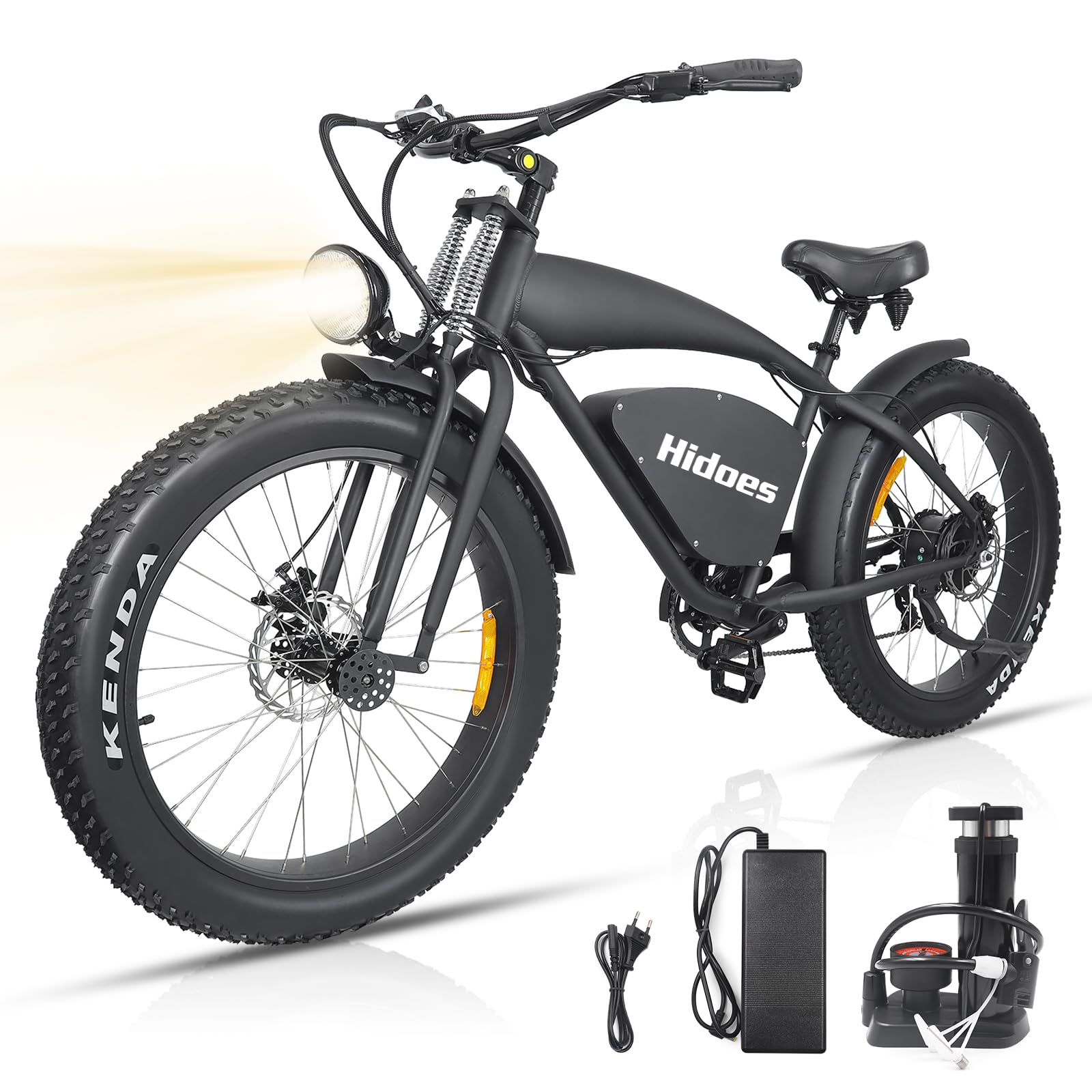
Choosing between an electric bicycle and a car involves much more than comparing price tags. Today’s urban lifestyles demand mobility solutions that deliver economic, health, and environmental advantages. The surge in e-bike popularity isn’t just a fad—it’s rooted in dramatic shifts in cost structures, urban infrastructure priorities, and the desire for convenient personal transport. This article unpacks every aspect of the car vs. electric bicycle debate, helping readers see why the e-bike is rapidly becoming the savvier—and smarter—long-term investment.
Table of Contents
Cost Comparison
Upfront Purchase Cost
A new car typically costs between €20,000 and €30,000 (or more), depending on model and options.
Electric bikes range from as low as €1,000 to €6,000 for premium models, with many excellent choices in the €2,500–€3,500 range.
Cars experience rapid depreciation, while e-bikes retain more value, particularly with increasing urban demand.
Annual Running Costs
| Expense | E-Bike (Annual Cost) | Car (Annual Cost) |
|---|---|---|
| Insurance | €0–€100 | €400–€800 |
| Maintenance | €30–€150 | €500–€1,000 |
| Fuel/Charging | ~€45 | ~€1,300 |
| Tax | €0 | €180–€300 |
| Parking | €0–€60 | €1,344–€1,792 |
| Total | €125–€455 | €2,609–€4,947 |
Annual Savings: Switching to an e-bike can save €2,000–€3,500 annually.
Long-Term Value
E-bikes have minimal depreciation compared to cars, especially as urban policies prioritize cycling infrastructure.
Sustainability and Environment
E-bikes do not emit polluting gases, helping reduce the urban carbon footprint.
Cars contribute heavily to urban air pollution and global warming.
Manufacturing advances make e-bikes more eco-friendly, using recycled and low-impact materials.
Charging an e-bike battery has a negligible climate impact compared to burning fuel.
Urban Practicality
Avoiding Traffic
E-bikes are ideal for urban environments, easily bypassing traffic jams and cuts commute times using dedicated bike lanes.
Cars may be faster only for long highway journeys or rural travel.
Ease of Parking
E-bikes don’t require paid parking, fit in tiny spaces, and folding e-bike models can be taken indoors.
Drivers spend time and money searching for parking, risking delays and fines.
Agility and Speed
E-bikes are often quicker within congested cities; they simplify last-mile travel and can even replace public transport for many trips.
Cars are more suitable for intercity or long-distance trips, but rarely the most efficient for daily urban movement.
Health and Lifestyle Benefits
Exercise and Well-Being
Even with motor assist, e-bikes allow moderate exercise, boosting physical and mental health.
Regular cycling reduces cardiovascular risks and stress versus driving, which is sedentary and exposes commuters to traffic frustrations.
Reduce Stress
E-bike users skip the anxiety of traffic jams, parking stress, and bad temper commonly reported among car drivers.
Urban cycling fosters better mood, connection to the local environment, and spontaneous interactions.
Financial Analysis for Different Scenarios
Short-to-Medium Commutes
For daily commutes under 20km, an e-bike beats the car hands down for cost, time, and health.
E-bikes carry light loads with ease and some modern models include cargo space for groceries or children.
Family and Group Travel
Cars are still preferable for large families, groups, or transporting heavy cargo long distances.
E-bikes can supplement city living, with households using shared car ownership or ride-sharing for occasional needs.
Rural and Long-Distance Needs
For rural residents or those with challenging terrain/long commutes, cars may remain necessary.
Electric cargo bikes expand options for small businesses and urban households needing flexible transport.
Emerging Trends
Governments increase incentives for cycling, adding bike lanes and e-bike purchase subsidies.
Urban planning favors micro-mobility (scooters, e-bikes, shared bikes), making cities more e-bike friendly each year.
Brands evolve with folding, cargo, and ultra-compact designs, further lowering barriers to e-bike ownership.
Potential Downsides and Limitations
E-bikes offer limited weather protection compared to cars.
Battery range and charging time can constrain some users, but this is rapidly improving.
Safety is a concern; bike theft risk, need for helmet and lighting, and vulnerability in traffic must be considered.
E-bikes are best for individuals or couples, less ideal for large families or cross-country travel.
Case Studies and Real-Life Use
Urban Commuter
Saves over €2,000 annually switching from car to e-bike for a daily 12km commute.
Enjoys faster commute times, improved fitness, and zero parking hassles.
Small Business Owner
Uses electric cargo bike for local deliveries, saving on fuel, insurance, and maintenance.
Attracts eco-conscious customers and benefits from city bike lane investments.
Young Family
Replaces one car with shared e-bikes and car subscription service, reducing household expenses and increasing mobility options.
Conclusion
For urban dwellers, electric bicycle often represent a far smarter investment than owning a car. They deliver not only major financial savings, but also freedom from daily hassles, reduced environmental impact, better health outcomes, and even richer urban experiences. While cars remain necessary for longer journeys or rural living, the vast majority of city commutes, errands, and lifestyle needs can be met—more affordably and enjoyably—by an e-bike in 2025.
FAQs
1. How much cheaper is an electric bike than a car?
Electric bikes cost less to buy and run, with annual savings ranging from €2,000 to €3,500 including fuel, maintenance, tax, parking, and insurance.
2. Are electric bikes suitable for long commutes?
E-bikes excel at short and medium commutes (up to 20–30km). For longer distances, battery range and comfort might be limiting, but advances are ongoing.
3. What are the environmental benefits of e-bikes?
E-bikes produce zero direct emissions, helping reduce urban air pollution and carbon footprints. Many models are made with recycled, sustainable materials.
4. Do electric bikes require insurance or licensing?
Most e-bikes don’t require insurance or licensing, though bike insurance is recommended. Some local rules may differ, especially for high-speed models.
5. How long does an electric bike battery last?
E-bike batteries typically last several years; most users get 40–100km per charge and batteries usually last 500+ charge cycles. Maintenance is minimal compared to car engines.
6. What are the main disadvantages of electric bikes?
E-bikes provide less protection from weather and road conditions, can be more vulnerable to theft, and aren’t ideal for heavy loads or group travel.
7. Is it healthier to commute by electric bicycle?
Yes, using an e-bike involves physical activity, reduces stress, and improves mental health compared to driving.
8. Do cities support e-bike commuting?
Cities worldwide are rapidly expanding bike lanes, offering subsidies, and favoring micro-mobility for environmental and congestion reasons.