







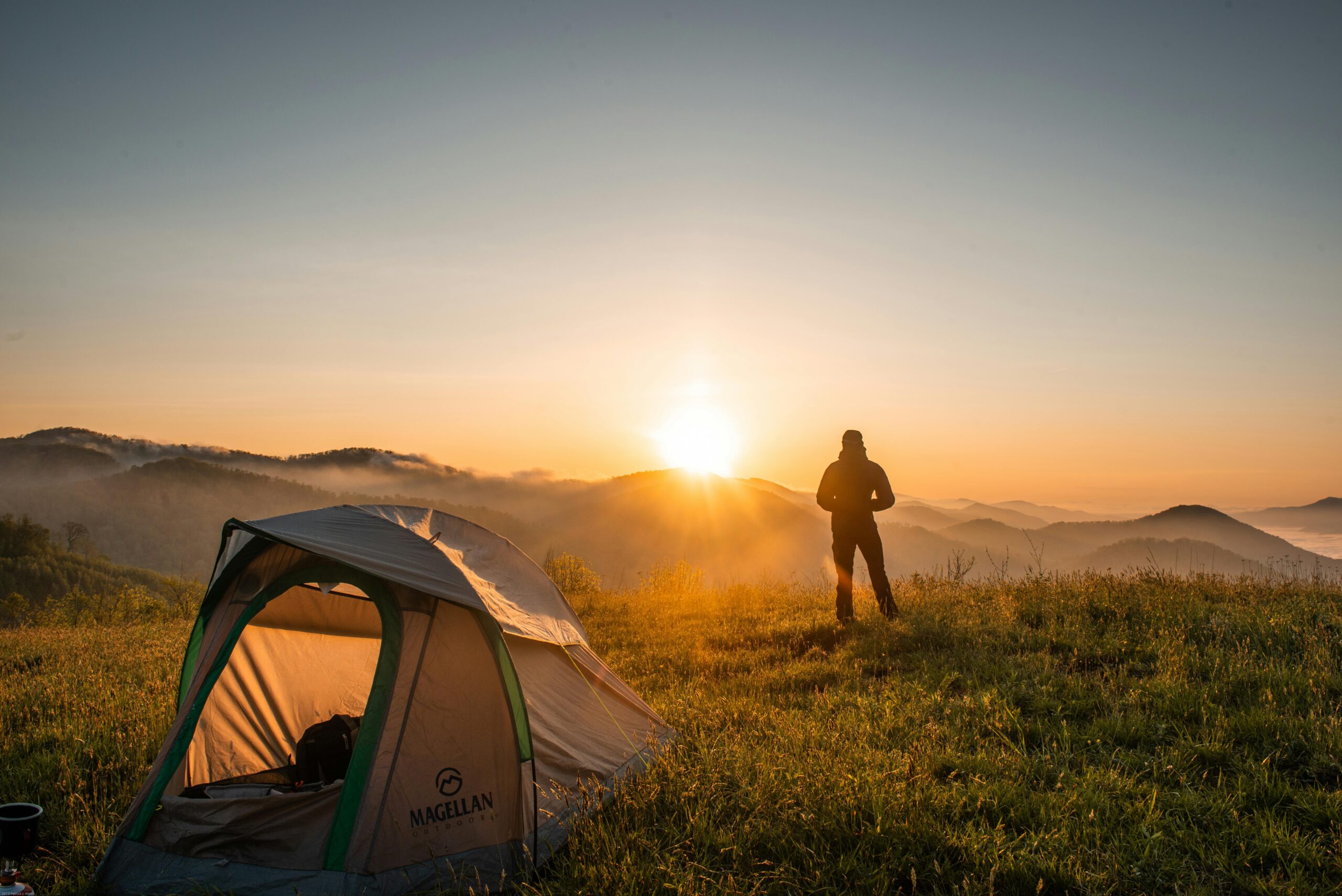
Going camping for the first time is an exciting step toward reconnecting with nature, slowing down, and learning to live a little more simply. Whether you’re pitching a tent in a well-equipped campsite or heading into a more remote area, preparation is the key to a safe and enjoyable experience. This guide is designed to walk you through the Camping essentials you’ll need for your first camping trip, helping you feel confident, prepared, and ready to make lasting memories outdoors.
Table of Contents
Shelter and Sleeping Gear
One of the most important aspects of camping is having a reliable place to sleep and take shelter from the elements. Your tent will serve as your temporary home, so choosing the right one matters. For beginners, a simple, easy-to-pitch tent with clear instructions is ideal. Make sure it’s suitable for the number of people in your group and offers weather protection appropriate for the season. A waterproof rainfly, sturdy poles, and ventilation panels can make a big difference in comfort. Inside your tent, sleeping gear is just as important as the tent itself. A sleeping bag rated for the expected nighttime temperatures will help keep you warm, while a sleeping pad or air mattress adds insulation and cushioning from the ground.
Clothing and Footwear
Clothing choices can make or break your camping trip. Unlike everyday fashion, camping clothing should focus on comfort, durability, and adaptability. The weather can change quickly outdoors, so layering is essential. Start with moisture-wicking base layers to keep sweat off your skin, add insulating layers for warmth, and finish with a waterproof and windproof outer layer. This system allows you to adjust your clothing throughout the day as temperatures rise and fall. Footwear deserves special attention. A sturdy pair of hiking shoes or boots with good traction will protect your feet on uneven terrain. Even if you don’t plan on long hikes, campsites often have rocky or muddy ground. Bringing extra socks, including warm ones for nighttime, can prevent blisters and keep your feet comfortable.
Tools and Safety Items
Even the best-planned trips can come with surprises, so having basic tools and safety items is essential. A well-stocked first aid kit should be at the top of your list, including bandages, antiseptic wipes, pain relievers, and any personal medications. Navigation tools such as a map and compass, or a GPS device, are useful even in established campgrounds, especially if you plan to explore nearby trails. Multi-purpose tools can be incredibly helpful in a variety of situations. Items like duct tape, paracord, and sturdy pocket knives are classic camping staples because of their versatility. Pocket knives, in particular, are useful for tasks such as cutting rope, preparing food, opening packaging, or making small repairs around the campsite.
Cooking and Food Supplies
Food is an important part of camping, and planning meals ahead of time will save you stress at the campsite. Start with a basic camping stove or grill, along with fuel and simple cookware like a pot, pan, and cooking utensils. Lightweight, durable items are best, especially if you’ll be carrying them any distance. If fires are allowed, you may also enjoy cooking over a campfire, but always check local regulations and fire safety rules. When it comes to food, beginners should aim for simple, easy-to-prepare meals. Pre-chopped ingredients, canned foods, and ready-to-eat snacks reduce preparation time and cleanup. Don’t forget essentials like a cooler with ice packs for perishable items, reusable plates and cutlery, and trash bags to pack out your waste.
Lighting, Power, and Comfort Items
Once the sun goes down, proper lighting becomes crucial. A headlamp or flashlight allows you to move around safely at night, while lanterns provide ambient light for cooking or socializing. Bringing extra batteries or rechargeable power sources ensures you’re not left in the dark. Some campers also bring small solar chargers or power banks to keep phones and other devices charged, especially for emergencies. Comfort items might seem optional, but they can greatly improve your experience. Camping chairs, a small table, or a picnic blanket create a comfortable space to relax and eat.
Campsite Organization and Environmental Responsibility
Staying organized at your campsite helps everything run smoothly. Storage bins or dry bags keep gear protected and easy to find, while designated areas for cooking, sleeping, and relaxing create a sense of order. Keeping your campsite tidy also reduces the risk of attracting wildlife and makes packing up easier at the end of your trip. Equally important is respecting nature and following Leave No Trace principles. This means packing out all trash, minimizing campfire impact, and respecting wildlife and other campers.
Your first camping trip is a learning experience, and being well-prepared can make it both enjoyable and rewarding. As you gain experience, you’ll refine your packing list and discover what works best for your personal style of camping. With the essentials covered and a positive mindset, your first camping adventure can be the beginning of a lifelong appreciation for nature and outdoor living.