





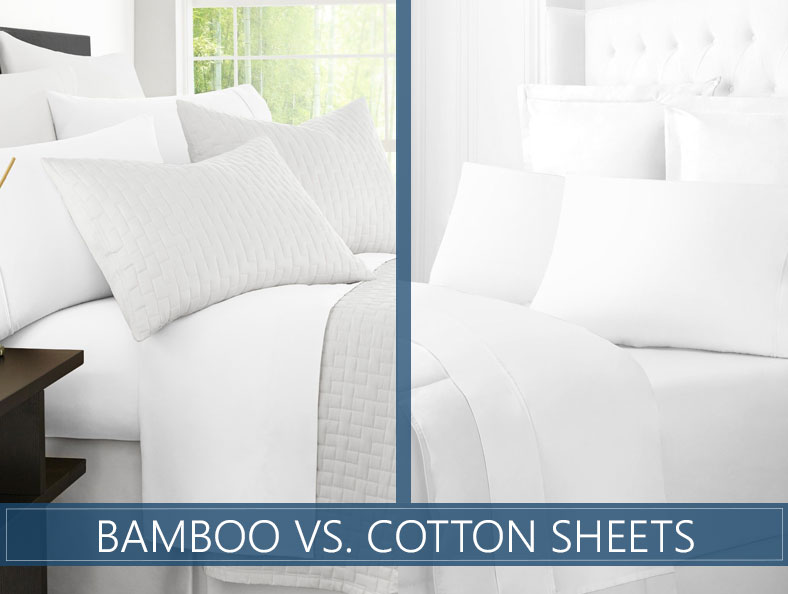
Bamboo and cotton sheets represent two popular natural fiber options for bedding, each offering distinct advantages in feel, performance, and eco-impact. Bamboo excels in softness and moisture-wicking, while cotton provides reliable breathability and affordability. This comprehensive guide breaks down their differences to help you choose wisely.
Table of Contents
Material Origins
Bamboo sheets derive from the fast-growing bamboo plant, processed into viscose rayon through a chemical method that extracts cellulose fibers. These fibers create a silky, drapey fabric prized for its smoothness right out of the package.
Cotton sheets come from the fluffy bolls of the cotton plant, a staple crop spun into yarns via mechanical ginning. Varieties like Egyptian or Pima cotton yield extra-long staples for superior strength and softness, though standard upland cotton is more common and budget-friendly.
Both materials grow renewably, but bamboo requires minimal water and pesticides compared to cotton’s heavy irrigation and chemical demands during cultivation. Processing bamboo often involves chemicals, slightly offsetting its green credentials, while organic cotton mitigates cotton’s environmental footprint.
Comfort and Softness
Bamboo sheets feel exceptionally soft and silky, often likened to cashmere or high-end silk due to their rounded fiber structure that glides against skin. They maintain this buttery texture without needing multiple washes to break in.
Cotton sheets start crisp and can soften over time with laundering, especially in percale weaves that offer a matte, hotel-like crispness. Sateen cotton provides a smoother sheen but may pill faster than bamboo’s durable long fibers.
For sensitive skin, bamboo’s naturally hypoallergenic properties reduce irritation, while high-quality cotton like Egyptian varieties competes in luxury but may trap more allergens if not tightly woven.
Breathability and Cooling
Bamboo’s micro-gaps in fibers promote superior airflow and temperature neutrality, making it ideal for hot sleepers as it wicks moisture away three times faster than cotton. This evaporative cooling keeps you dry and comfortable year-round.
Cotton excels in breathability too, particularly percale weaves that allow air circulation, but it absorbs moisture rather than wicking it efficiently, potentially feeling clammy during humid nights. Bamboo outperforms in lab tests, soaking up dampness 40% quicker.
Hotter climates or night sweats favor bamboo, while cotton suits moderate temperatures where its mat-like breathability shines without excessive silkiness.
Moisture-Wicking Properties
Bamboo viscose is highly hygroscopic, pulling sweat from the body and releasing it into the air for rapid drying, which prevents bacterial growth and odors.
Cotton holds moisture longer due to its twisted fiber structure, which can lead to a damp feel until fully dry—less ideal for heavy sweaters. Bamboo’s channels between fibers channel away humidity effectively.
This edge makes bamboo preferable for humid environments like Delhi summers, aligning with wellness-focused sleep hygiene.
Durability and Longevity
Bamboo sheets resist pilling and tearing thanks to continuous filament fibers stretched across the fabric, showing 40% less damage after 50 washes. They hold shape well in high thread counts.
Cotton, especially long-staple types, withstands abrasion but blends may weaken faster; expect sateen to snag more than percale. Proper care extends both, but bamboo often outlasts in daily use.
Higher upfront investment in bamboo pays off through fewer replacements, suiting long-term bedding investments.
Maintenance and Care
Both wash similarly in cold water on gentle cycles, tumble dry low, avoiding bleach or high heat that degrades fibers. Bamboo dries quicker and resists wrinkles better.
Cotton handles standard laundry robustly but may shrink if not pre-shrunk; ironing restores crispness. Bamboo’s antimicrobial nature means less frequent washing.
Stain removal favors cotton’s absorbency, but bamboo’s smoothness prevents deep set-in dirt.
Sustainability Comparison
| Aspect | Bamboo Sheets | Cotton Sheets |
|---|---|---|
| Water Usage | Low (rain-fed growth) | High (intensive irrigation) |
| Pesticides | Minimal | Heavy (16% global use) |
| Growth Speed | Fast (regenerates in months) | Annual crop, soil-depleting |
| Processing | Chemical-intensive (viscose) | Mechanical, but dyes/bleaches add impact |
| Overall Eco-Score | Better if sustainably sourced | Improves with organic certification |
Bamboo’s rapid renewability edges out cotton, though closed-loop viscose processing minimizes chemical harm. Organic cotton closes the gap for ethical shoppers.
Cost Analysis
Bamboo sheets range $100–$300 for a queen set due to processing costs, offering premium value over time.
Cotton spans $50–$250, with everyday options cheapest and luxury Egyptian pricier but still below top bamboo. Budget buyers lean cotton.
Sales and thread count (300–600 optimal) balance quality without overpaying.
Health and Skin Benefits
Bamboo’s natural antibacterial properties (from bamboo kun) inhibit dust mites and allergens, ideal for wellness enthusiasts practicing Pilates or skin care routines.
Cotton is hypoallergenic in organic forms but can harbor more bacteria if moisture lingers. Both suit sensitive skin, bamboo slightly better for eczema.
Aesthetic and Style Options
Bamboo drapes fluidly in sateen weaves for a lustrous look, available in neutrals to vibrant hues.
Cotton offers versatile weaves—crisp percale for modern minimalism, sateen for elegance—and endless patterns, fitting fashion-forward Delhi lifestyles.
Which to Choose?
Hot sleepers, eco-conscious users, or silk-feel seekers pick bamboo. Budget durability fans choose cotton. Blends combine both. Test via trial periods from reputable brands.
FAQs
Are bamboo sheets cooler than cotton?
Yes, bamboo wicks moisture 3x faster and breathes better for superior cooling.
Do bamboo sheets wrinkle less?
Bamboo resists wrinkles more than cotton, staying smooth post-wash.
Which is more hypoallergenic?
Bamboo edges out with antimicrobial traits, though both suit allergies.
How to care for bamboo vs. cotton sheets?
Wash cold, gentle cycle; avoid fabric softeners. Bamboo air-dries faster.
Are bamboo sheets worth the higher price?
For longevity and comfort, yes—especially for hot climates.
Can I mix bamboo and cotton sheets?
Yes, blends offer hybrid benefits like balanced softness.