







Sustainable living is no longer just a trend — it is a necessity. As climate change, pollution, and resource depletion continue to impact our planet, individuals play a crucial role in driving positive change. The good news? You don’t need to completely overhaul your life overnight to make a difference.
Small, consistent changes can create powerful long-term impacts. By adopting eco-friendly habits, reducing waste, and making mindful choices, you contribute to a healthier planet while improving your own well-being.
In this comprehensive guide, you’ll discover 10 powerful sustainable living tips that can transform your everyday life — financially, environmentally, and socially.
Table of Contents
What Is Sustainable Living?
Sustainable living means making lifestyle choices that reduce your environmental impact and conserve natural resources for future generations. It focuses on:
Reducing waste
Conserving energy
Using renewable resources
Supporting ethical businesses
Minimizing carbon footprint
Sustainability is about balance — meeting present needs without compromising the ability of future generations to meet theirs.
1. Reduce, Reuse, Recycle — The Foundation of Sustainability
The 3Rs form the cornerstone of sustainable living.
Reduce
Avoid impulse purchases
Choose products with minimal packaging
Opt for digital over paper
Reuse
Repurpose jars and containers
Use cloth bags instead of plastic
Repair instead of replacing
Recycle
Separate household waste
Learn local recycling rules
Dispose of electronics responsibly
Reducing consumption is the most powerful step because the greenest product is the one you never buy.
2. Switch to Energy-Efficient Solutions
Energy production is a major contributor to greenhouse gas emissions. Making energy-efficient choices reduces both your carbon footprint and electricity bills.
Practical Energy-Saving Habits:
Replace incandescent bulbs with LED lights
Turn off appliances when not in use
Use smart power strips
Invest in energy-efficient appliances
If possible, consider installing solar panels. Even partial renewable energy use makes a difference.
3. Embrace a Plant-Based or Sustainable Diet
The food industry significantly impacts the environment through deforestation, water consumption, and methane emissions.
You don’t have to go fully vegan to make a difference.
Sustainable Food Choices:
Reduce red meat consumption
Buy locally sourced produce
Support organic farming
Avoid food waste
Start with “Meatless Mondays” or gradually replace animal-based meals with plant-based alternatives.
4. Minimize Single-Use Plastics
Plastic pollution is one of the biggest environmental challenges today.
Easy Swaps:
Carry reusable water bottles
Use stainless steel straws
Bring your own shopping bags
Choose glass or metal containers
Even small changes prevent hundreds of plastic items from entering landfills annually.
5. Choose Sustainable Transportation
Transportation contributes heavily to carbon emissions.
Eco-Friendly Alternatives:
Walk or cycle for short distances
Use public transportation
Carpool
Switch to electric or hybrid vehicles
Remote work and virtual meetings also significantly reduce emissions.
6. Conserve Water Daily
Freshwater is a limited resource.
Water-Saving Tips:
Fix leaking faucets
Install low-flow showerheads
Turn off tap while brushing
Collect rainwater for gardening
Conserving water protects ecosystems and reduces utility costs.
7. Adopt a Minimalist Mindset
Minimalism complements sustainability. Owning fewer items reduces waste and encourages intentional consumption.
Ask yourself:
Do I really need this?
Can I borrow instead of buy?
Is there a second-hand option?
Quality over quantity leads to long-term savings and reduced environmental impact.
8. Support Ethical and Sustainable Brands
Your purchasing power influences industries.
Look for:
Fair-trade certifications
Sustainable sourcing practices
Transparent supply chains
Eco-friendly packaging
When consumers demand sustainability, businesses respond.
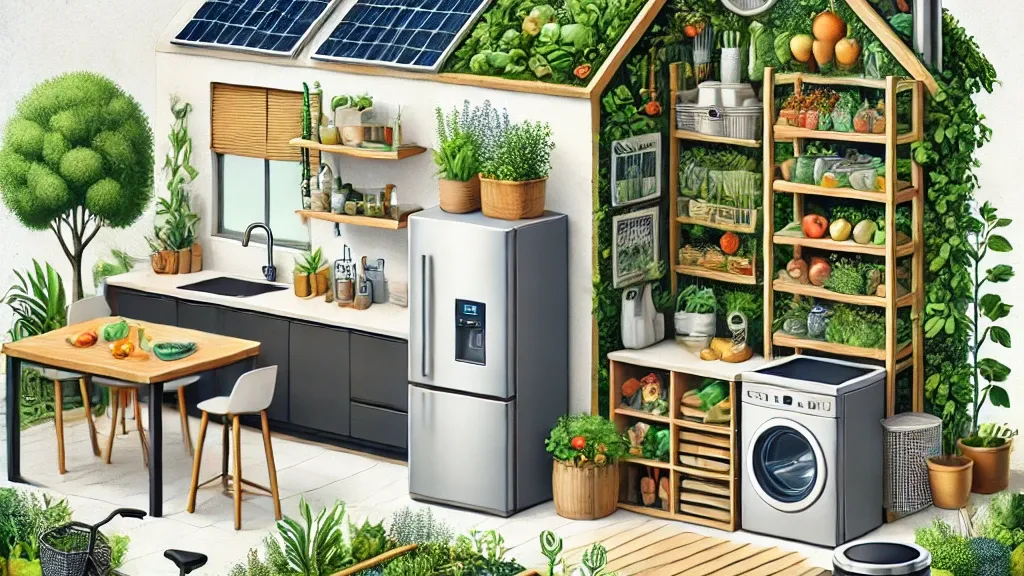
9. Create a Sustainable Home Environment
Transform your living space into an eco-friendly haven.
Green Home Ideas:
Use natural cleaning products
Add indoor plants for air purification
Improve insulation
Compost organic waste
A sustainable home promotes better health and lower costs.
10. Educate and Inspire Others
Sustainability spreads through awareness.
Share eco-friendly tips
Support environmental initiatives
Volunteer locally
Teach children about conservation
Community action multiplies individual impact.
The Financial Benefits of Sustainable Living
Sustainability isn’t just good for the planet — it’s good for your wallet.
You save money by:
Reducing electricity bills
Cutting fuel expenses
Avoiding unnecessary purchases
Growing your own food
Long-term sustainable habits often lead to financial stability.
The Health Benefits of a Green Lifestyle
Sustainable living also improves well-being:
Cleaner air indoors
Healthier diet choices
Reduced exposure to toxins
Lower stress from clutter
Environmental health and personal health are deeply connected.
Common Myths About Sustainable Living
Myth 1: It’s Expensive
Many sustainable choices save money over time.
Myth 2: One Person Can’t Make a Difference
Collective small actions create massive change.
Myth 3: It Requires Radical Lifestyle Changes
Small, gradual steps are effective.
How to Start Your Sustainable Journey Today
Start simple:
Carry a reusable bottle
Switch to LED bulbs
Avoid food waste
Use public transport once a week
Consistency matters more than perfection.
Sustainable Living in 2026 and Beyond
The future of sustainability includes:
Smart homes powered by renewable energy
Circular economy systems
Eco-friendly packaging innovations
Electric mobility expansion
Governments, corporations, and individuals are increasingly aligned toward climate-conscious policies.
The Ripple Effect of Everyday Choices
Every sustainable choice creates a ripple effect.
When you:
Refuse plastic
Support ethical brands
Conserve energy
You send a powerful message to industries and policymakers.
Conclusion
Sustainable living is not about being perfect — it’s about being mindful. The journey toward a greener lifestyle begins with small steps and grows through consistent habits.
By implementing these 10 powerful sustainable living tips, you not only reduce your environmental footprint but also improve your health, finances, and overall quality of life.
The future of our planet depends on everyday decisions made by individuals like you. Start today, act consciously, and inspire others to join the movement toward a more sustainable world.
Frequently Asked Questions (FAQs)
1. What is sustainable living?
Sustainable living involves making lifestyle choices that reduce environmental impact and conserve natural resources.
2. How can I start living sustainably?
Begin with small steps like reducing plastic use, conserving energy, and minimizing waste.
3. Is sustainable living expensive?
Not necessarily. Many eco-friendly habits save money in the long run.
4. What are the biggest environmental impacts of daily life?
Energy consumption, transportation, food production, and waste generation.
5. How does diet affect sustainability?
Meat production contributes significantly to emissions and water use. Plant-based options are generally more sustainable.
6. Can sustainable living reduce my carbon footprint?
Yes, especially through energy efficiency, transportation choices, and mindful consumption.
7. What is a zero-waste lifestyle?
A zero-waste lifestyle focuses on reducing trash sent to landfills through reuse, recycling, and composting.
8. How can families practice sustainable living?
By teaching children eco-friendly habits, conserving resources, and making responsible purchases.
9. Why is reducing plastic important?
Plastic pollution harms marine life, ecosystems, and takes hundreds of years to decompose.
10. Does individual action really matter?
Yes. Collective small actions create large-scale environmental change.