






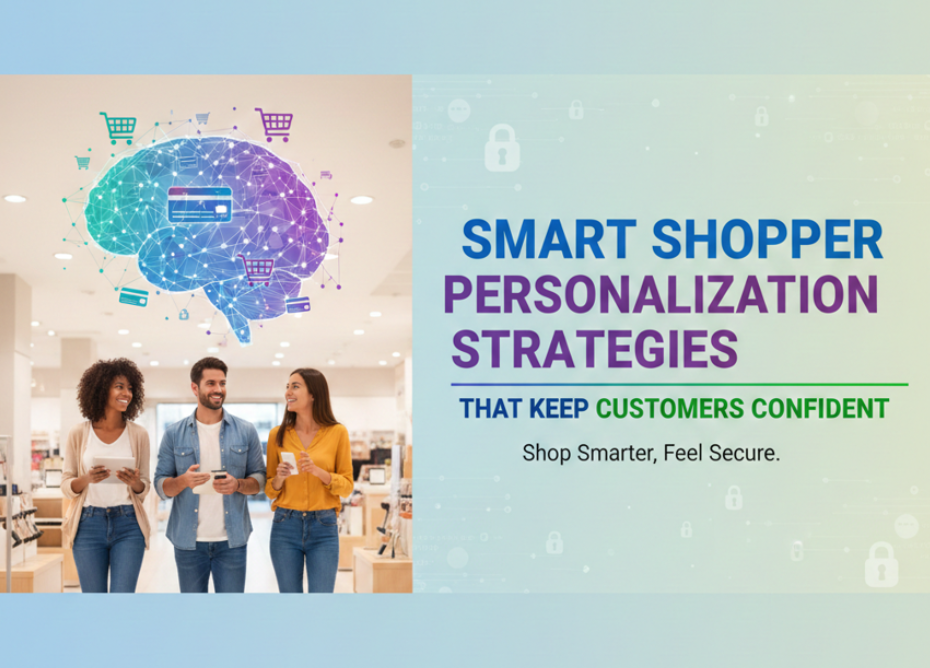
When you visit a store to shop, you always feel confused about whether it would look good on you. Sometimes you even leave the store without purchasing anything. At the same time, online shopping helps you to make a perfect decision. The online apps analyze your shopping behavior and may display your wishlist or add-to-cart options on platforms like Facebook or Instagram.
Customer confidence isn’t just about liking a product; it’s about feeling certain in the decision. Smart personalization reduces doubt, simplifies choices, and reassures shoppers that they are making the right purchase decision. Normally, big brands and convenience stores follow tac-tics to enhance the customer shopping journey.
Let’s explore how leading retailers and large-scale enterprises are doing it right.
Table of Contents
Transparent Data Use
Let’s picture this to understand: You walk into a neighbourhood store. The shop owners remember you by name and know exactly what you must pick up from the shelves. The owner also tells you, “I keep notes so I can stock what you like, and if you ever want me to stop, just say no”.
That’s what transparent data looks like! Overall, transparent data means informing customers what information is being collected, explaining why it’s collected, showing how it helps them, and allowing them to control or change it.
Key benefits:
- It builds trust among customers and makes them feel safe instead of suspicious
- Customers’ willingness to share information increases
- Customers stay loyal to brands they trust
- Transparent practices align with privacy regulations and avoid legal risks
Behavioral Recommendations
Behavioral recommendations analyze customers’ past purchasing behavior. Imagine you go to a cafe and order pasta. Now, after some days or weeks, you visit the same cafe, and a waiter comes up to you and asks, “Would you like to try our new Italian special pasta?”
Behavioral recommendations use customer past data through search, clicks or purchases to suggest relevant options. Platforms like Netflix with “Because you watched ..”
Key benefits:
- Customers quickly see products that match their interests
- Relevant suggestions boost customer satisfaction
- Customers like to visit more when they see relevant items
- Customers feel like having a smart assistant experience
- Enhances cross-selling
Guided Selling Tools That Reduce Decision Anxiety
When you buy a pair of goggles or specs from an online application, it offers tools so you can try them before buying. One great example is Lenskart, which uses features like “Lenskart 3D Try on”.
Guided tools are like friends who give suggestions, before you invest in it. These tools create less confusion, fewer doubts, and clear direction.
Key benefits:
- Virtual try on turns confusion into clear recommendations
- The tool recommends building buying confidence among customers
- Improves product matching accuracy
- Better product matches mean fewer wrong purchases
- When answers shape results, shoppers feel heard
Contextual Personalization
Imagine you scroll through a shopping app you came across and find discounts on rain boots during the winter season. You might feel annoyed when you see this. Now, when you scroll through another application, you see discounts on winter jackets and sweaters in the winter season, which feels useful to you.
So, contextual personalization means sending the right message at the right time. Brands like Nike and Myntra use personalized app content based on user activity and interest, not randomly.
Key benefits:
- Customers receive offers or suggestions when they are most relevant
- Fewer random productions mean less frustration
- Messages are based on real-time behaviour, not outdated data
- Brands appear attentive and thoughtful
- Creates a seamless customer journey
Personalized Post-Purchase Support
Selling a product to customers isn’t the end. Imagine buying a coffee machine and immediately receiving options like coffee setup instructions, cleaning tips, and a reminder to reorder filters later. That reassurance removes second thought.
This personalized post-purchase support builds customer confidence that what they bought is right.
Key benefits:
- Support after checkout shows the brand cares beyond the sale
- Clear instructions prevent misuse and disappointment
- A positive post-purchase experience increases loyalty
- Ongoing support shows a long-term commitment towards customers
- Happy customers are more likely to recommend the brand
Human+AI Hybrid Personalization
Humans and AI work like guides who help customers buy the product. Imagine an AI analyzes your shopping behavior like style, size and preferences, while a stylist makes the recommendations and picks final outfits for you.
Overall, AI assures recommendations are relevant, and humans make them feel personal. Think of it like a smart assistant and an expert friend working together.
Key benefits:
- With AI and human customers feel understood
- It scales the personalization of the shopping experience among customers
- Builds confidence among customers
- Builds emotional connection between shoppers and brand
- Eliminates mistakes
Key Principles for Confidence-Driven Personalization
You know the smartest retailers or shop owners follow a strategic approach to build confidence-driven personalization. If you are looking to follow the same approach that brings more traffic to your store, even on normal days, and that has customers recommending your store.
Let’s explore top principles for confidence-driven personalization!
- Be transparent while selling, don’t be suspicious, as this might create a negative perception among customers.
- Sell at the right time, be sensible while selling
- While selling offer control, don’t push them to purchase
- Offer after purchase support which builds trust and emotional connection
- Blend automation with human right
Moreover, following these tactics would not only boost sales but also enhance customer loyalty and retention for the long term.
Final Thoughts
Personalization helps customers feel like home, a helpful assistant, a trusted advisor, and a smart guide that cares about their choices. Transparent data use, post-purchase support, contextual personalization, and behavioural recommendations are some of the great tactics to follow for bringing reliable and loyal customers to your stores.