







Table of Contents
A Vertical World of Biodiversity
Walking through these forests is an exercise in sensory immersion. The canopy, often reaching heights of 50 meters, creates a microclimate that is significantly cooler and more humid than the surrounding plains. This vertical stratification allows different species to coexist in the same geographic space—from rare orchids, mosses, and ferns on the forest floor to turacos and hornbills in the upper branches. The humidity is so high that many plants, known as epiphytes, grow directly on the bark of trees, drawing moisture and nutrients from the air rather than the soil.
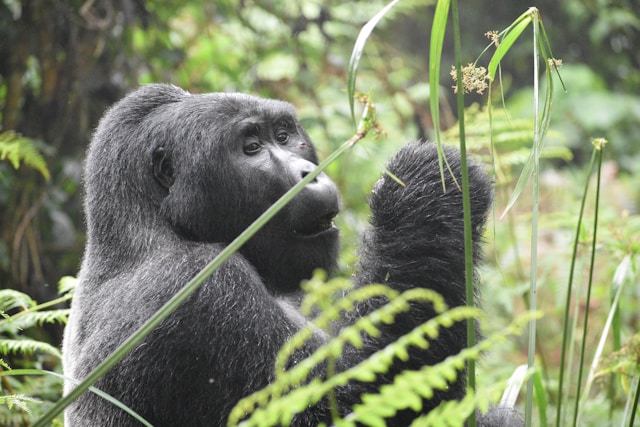
For many, the primary draw of these regions is the chance to engage in gorilla trekking in Uganda, an activity that serves as a vital pillar for the preservation of these habitats. Without the revenue and global attention generated by regulated tourism, many of these forests would have long ago succumbed to timber extraction, charcoal production, or agricultural expansion. The presence of international visitors creates a powerful economic incentive for governments and local communities to protect the “green walls” of the rainforest from encroachment.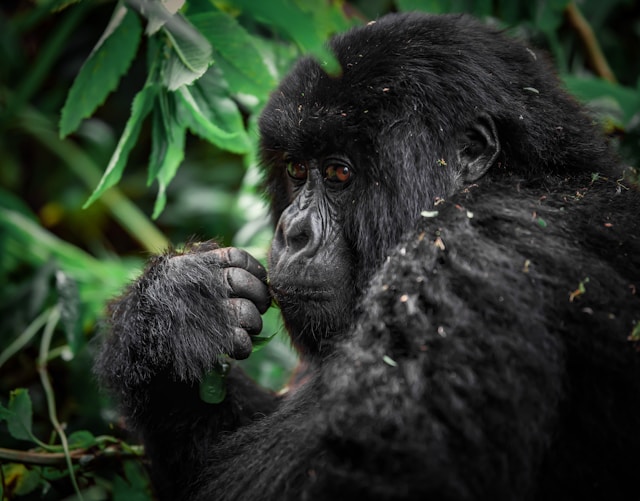
The Role of the Gentle Giants
Mountain gorillas are more than just an iconic species; they are “ecosystem engineers.” By moving through the forest and consuming vast quantities of vegetation—up to 30 kilograms a day for an adult silverback—they create natural clearings. These openings in the canopy allow sunlight to reach the forest floor, stimulating the growth of low-level plants that provide food for smaller herbivores. Furthermore, as they travel, gorillas act as primary seed dispersers, ensuring the genetic diversity and regeneration of the forest’s tree species.
Their presence is a barometer for the health of the entire forest. Protecting their territory means protecting thousands of other species—from the smallest endemic insects to the elusive forest elephants and golden monkeys—that share this emerald sanctuary. When a gorilla habitat is secured, an entire web of life is shielded under the same conservation umbrella.
The Hydrological Cycle and Local Communities
These high-altitude forests are often called “water towers.” The dense vegetation captures moisture from the clouds, which then trickles down into the soil and feeds the streams and rivers that millions of people depend on for agriculture and daily life. The forest acts as a giant sponge, preventing soil erosion on the steep volcanic slopes and regulating the flow of water to the valleys below. If these trees were lost, the surrounding regions would face a devastating cycle of floods and droughts, proving that the health of the rainforest is directly tied to the food security of the human population.
The Logistics of the Deep Forest
Navigating these terrains requires a different mindset than a traditional safari. There are no roads here; there is only the path cleared by machetes and the expertise of local trackers who can read the subtle signs of the bush—a snapped twig, a matted patch of grass, or the scent of wild celery. The physical demand of the trek, involving steep climbs through mud and tangled vines, is part of its allure. It offers a raw, unscripted connection to the wild that is increasingly rare in the modern world.
The experience of sitting in silence just a few meters away from a family of primates is often described as life-changing. It is a reminder of our own place in the natural world and the shared ancestry we hold with these magnificent creatures. Ultimately, visiting these forests is a journey that demands patience, physical resilience, and a profound respect for a natural order that has existed long before human intervention. It is an opportunity to witness a world where nature still dictates the rules of engagement.