



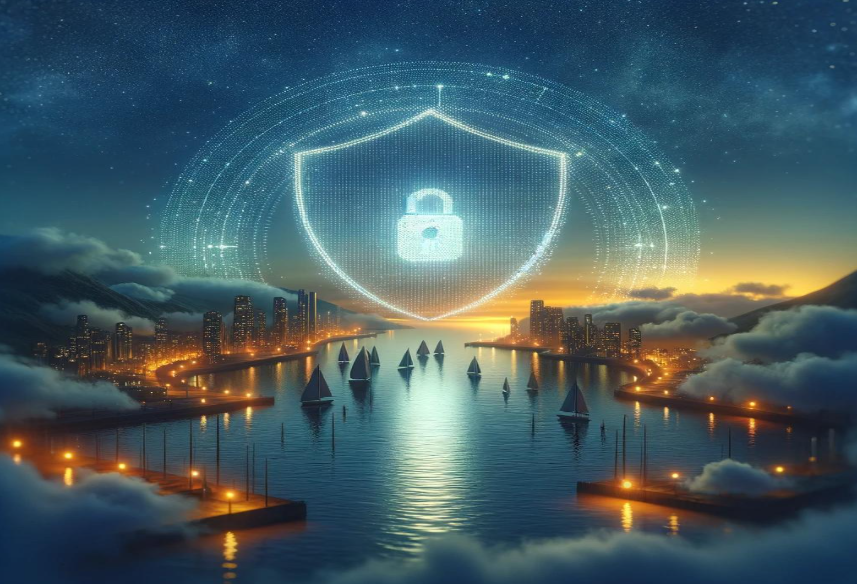



In an increasingly uncertain world, the concept of a safe harbour has become more important than ever. Traditionally, a safe harbour referred to a sheltered port where ships could anchor safely during storms or rough seas. Today, the term extends far beyond maritime use. It symbolizes security, protection, trust, and stability across various aspects of life, including business, law, finance, technology, and personal well-being.
Whether it is an organization protecting customer data, a government creating legal safeguards, or an individual seeking emotional security, the idea of a safe harbour represents a place where risks are minimized and confidence is strengthened. As global challenges such as cybercrime, economic uncertainty, and environmental concerns continue to grow, creating safe harbours has become essential for sustainable development.
Table of Contents
The Traditional Meaning of Safe Harbour
Historically, sailors depended on safe harbours to protect their ships from dangerous weather conditions and turbulent seas. These protected ports offered shelter until conditions improved, preventing loss of lives and valuable cargo. The concept emphasized preparation, resilience, and the importance of secure infrastructure.
This traditional meaning continues to inspire modern interpretations, where individuals and organizations seek protected environments that help them navigate uncertain situations.
Safe Harbour in the Digital Age
With businesses becoming increasingly digital, cybersecurity has emerged as one of the most critical areas where safe harbour principles apply. Every day, millions of people share sensitive information online, including financial details, personal identities, healthcare records, and business data.
A digital safe harbour involves implementing strong cybersecurity measures such as:
- Multi-factor authentication
- Data encryption
- Regular software updates
- Secure cloud infrastructure
- Employee cybersecurity awareness
- Continuous monitoring and threat detection
Organizations that prioritize digital safety not only reduce the risk of cyberattacks but also build long-term trust with customers. Data privacy regulations across many countries further encourage companies to adopt responsible data management practices, making digital safe harbours a necessity rather than an option.
Safe Harbour in Business
Businesses operate in highly competitive and rapidly changing markets. Economic fluctuations, regulatory changes, supply chain disruptions, and technological advancements create constant uncertainty.
For companies, creating a safe harbour means establishing systems that promote resilience. This includes strong governance, transparent communication, ethical leadership, financial discipline, and effective risk management.
Organizations that invest in business continuity planning, employee welfare, and customer satisfaction are better equipped to withstand crises. During unexpected events such as natural disasters, pandemics, or market downturns, these businesses recover faster because they have already built protective mechanisms.
Legal Safe Harbour Provisions
In legal contexts, safe harbour provisions refer to laws or regulations that protect individuals or organizations from liability when they comply with specified standards or requirements.
For example, companies that follow prescribed cybersecurity standards, financial reporting rules, or environmental regulations may receive protection against certain legal consequences if unforeseen incidents occur despite reasonable efforts.
Such provisions encourage responsible behavior while providing clarity for businesses operating in complex regulatory environments. They promote innovation by reducing unnecessary legal uncertainty without compromising accountability.
Safe Harbour for Employees
A productive workplace is one where employees feel physically and psychologically safe. Organizations that encourage respect, diversity, inclusion, and open communication create environments where individuals can contribute their best ideas without fear of discrimination or harassment.
Key characteristics of a workplace safe harbour include:
- Equal opportunities
- Fair policies
- Mental health support
- Transparent grievance mechanisms
- Leadership accountability
- Respectful communication
Employees who feel secure are generally more motivated, productive, and loyal, contributing positively to organizational success.
Safe Harbour in Financial Planning
Financial security is another important form of safe harbour. Individuals and businesses alike face uncertainties arising from inflation, market volatility, medical emergencies, or unexpected expenses.
Creating financial safe harbours involves:
- Maintaining emergency savings
- Diversifying investments
- Purchasing appropriate insurance
- Managing debt responsibly
- Planning for retirement
- Reviewing financial goals regularly
These measures provide stability during difficult times and reduce vulnerability to economic shocks.
Community and Social Safe Harbours
Communities also play an important role in creating safe harbours. Schools, healthcare institutions, shelters, community centers, and support organizations provide protection and assistance to vulnerable populations.
Strong communities encourage cooperation, mutual respect, and shared responsibility. During emergencies such as floods, earthquakes, or public health crises, community-based safe harbours become vital for protecting lives and supporting recovery.
Governments, non-profit organizations, and private institutions all contribute to building resilient communities capable of responding effectively to challenges.
Environmental Safe Harbours
Climate change has highlighted the need for environmental safe harbours. Sustainable infrastructure, protected ecosystems, green urban planning, and disaster-resilient construction help communities withstand extreme weather events.
Investments in renewable energy, water conservation, and environmental protection not only preserve natural resources but also create safer living conditions for future generations.
The Road Ahead
As technology evolves and global risks become increasingly interconnected, the definition of safe harbour will continue to expand. Artificial intelligence, digital governance, data privacy, and international cooperation will shape how societies create secure environments in the years ahead.
Success will depend on collaboration among governments, businesses, educational institutions, and citizens. Building safe harbours is no longer limited to physical spaces—it involves creating systems that inspire confidence, encourage innovation, and protect people from emerging risks.
Conclusion
A safe harbour is more than just a place of refuge—it is a foundation for growth, resilience, and trust. Whether applied to digital security, business operations, legal protections, financial planning, workplaces, or communities, the concept emphasizes preparedness and responsibility.
In today’s fast-changing world, organizations and individuals who invest in creating safe harbours are better positioned to overcome uncertainty and seize new opportunities. By fostering secure environments built on integrity, innovation, and collaboration, society can navigate future challenges with greater confidence and stability.