






Protein has become a key part of modern fitness, helping active individuals support recovery, build muscle and meet their daily nutritional needs. As more consumers invest in supplements, they are also becoming more conscious of what goes into their protein shake, looking beyond flavour and protein content to factors such as ingredient quality, digestibility, formulation and third-party testing. With so many options available, choosing the right whey protein can be overwhelming. Here’s a look at five whey protein supplements that stand out for different fitness goals.
Table of Contents
MuscleBlaze: For Advanced Athletic Recovery
Lifting weights needs structure, which can take in a gradual overload; MuscleBlaze has it covered with its primary product, Biozyme Gold 100% Whey, equipped with a proprietary Enhanced Absorption Formula (EAF) and fortified with probiotics to cater to a heavy training regimen. Independent third-party lab-certified, it’s the choice for athletes seeking reliable post-workout recovery.
AS-IT-IS Nutrition: For Performance-Focused Training and Holistic Health
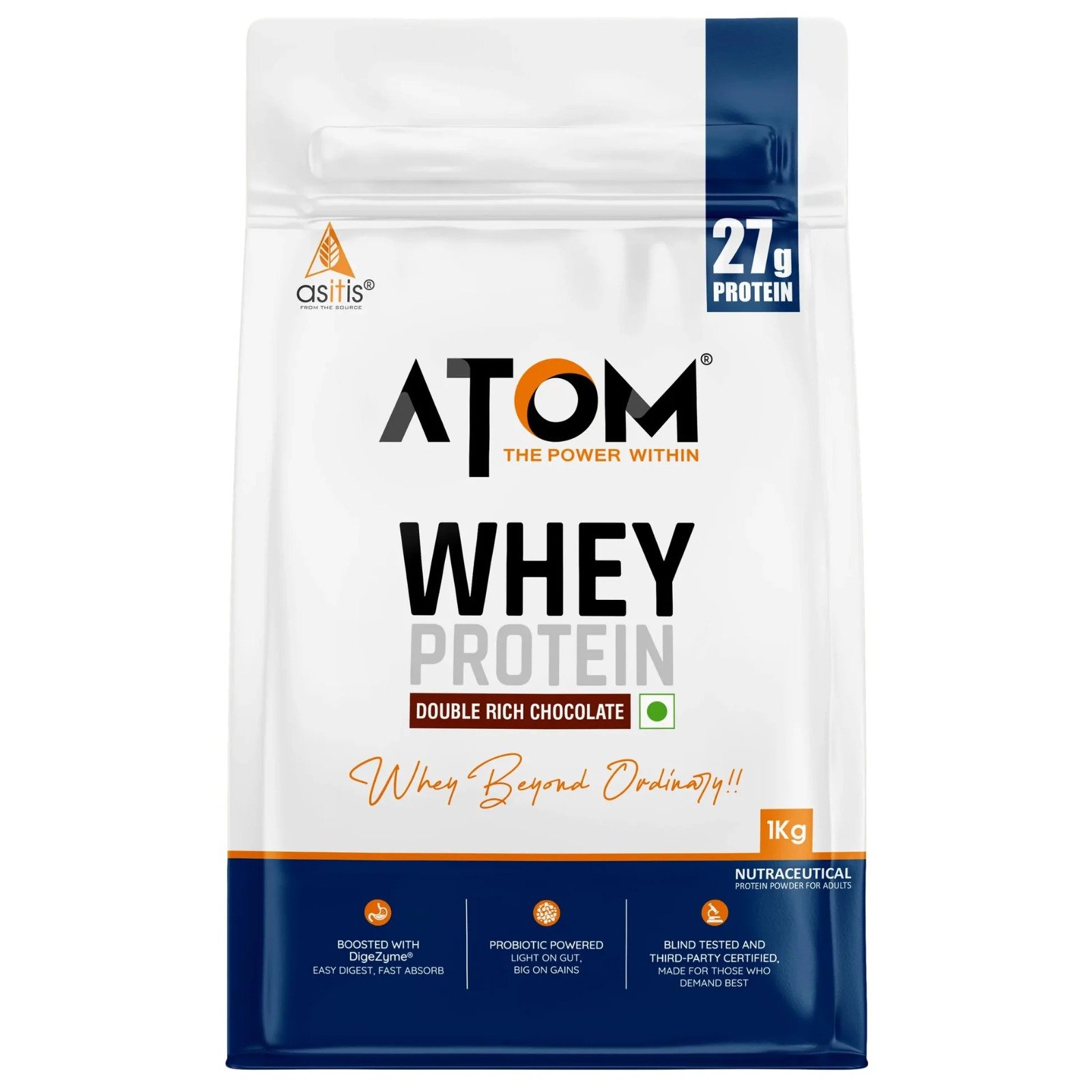
Whether you’re lifting weights, running, playing a sport or simply trying to meet your daily protein requirements, choosing the right whey protein can make a meaningful difference. ATOM Whey Protein by AS-IT-IS Nutrition combines Global-quality whey with a digestive enzyme blend to support better digestion and nutrient absorption. Backed by independent verification through Trustified and Labdoor, testing platforms widely recognised by performance athletes for quality assurance, it reflects the brand’s focus on ingredient transparency and quality assurance. Developed for athletes and individuals following structured training programmes, it supports muscle recovery, lean muscle development and an active lifestyle, making it suitable for both fitness enthusiasts and those looking to strengthen their overall nutrition routine.
Read More – The importance of protein powder
Avvatar: For Farm-to-Gym Freshness
When you buy protein from raw material direct from milk farms, the protein is manufactured completely differently. Avvatar’s 100% Performance Whey in Cold Coffee is formulated focusing on liquid milk being processed to convert to whey that maintains native protein fractions and goes straight to manufacturing at their facility, ensuring strict quality norms on locally manufactured protein supplements.
Nakpro: For Multi-Stage Protein Delivery
Human muscles need a supply of amino acids round the clock to keep recovering. Nakpro’s Titanium Tri-Blend protein provides steady nourishment, using a mix of several whey strains and comes with the advantage of clean profile engineering and reliable safety tests. It’s your reliable go-to for every workout.
Nutrabay: For Customised Stack Integration
Whether looking to bulk, cut, or boost their overall wellness, consumers are increasingly opting for products that align perfectly with their nutrition regime. Nutrabay Gold 100% Whey Protein Concentrate provides a high-quality whey concentrate formulation formulated for daily consumption, an excellent choice for customers looking to complete their supplement stack.
Choosing the right whey protein is about finding a supplement that aligns with your fitness goals while offering quality, transparency and a formulation you can trust. Whether your priority is recovery, performance or everyday nutrition, paying attention to ingredients, testing standards and nutritional profile can help you make a more informed choice. After all, the best supplement is one that complements consistent training, balanced nutrition and long-term fitness habits.
How to Choose the Best Whey Protein
With so many products available, comparing whey proteins can initially feel confusing. A few practical factors can make the decision easier.
1. Check the Protein Content
Start with the nutrition label. Look at how much protein you receive per serving rather than relying solely on the product’s front-label marketing.
Also compare serving sizes because two products may list similar protein amounts while using different serving weights.
2. Examine the Ingredient List
A shorter or more transparent ingredient list may be preferable for consumers who want to know exactly what they are purchasing.
Look for the primary protein source and pay attention to sweeteners, flavouring agents, digestive ingredients and other additions.
3. Consider Digestibility
Some people experience digestive discomfort when consuming certain protein products. Individual tolerance can vary.
Products containing digestive enzymes or other digestive-support ingredients may appeal to people who are particularly concerned about digestion, although individual responses differ.
4. Look for Quality Testing
Third-party testing and independent verification can provide additional information about a supplement’s quality.
Consumers should look for transparent information regarding testing, certifications, manufacturing standards and batch-level verification where available.
5. Match the Product to Your Goal
There is no single whey protein that is automatically the best for everyone.
A competitive athlete may prioritise formulation and testing. A beginner may prioritise simplicity and affordability. Someone with a busy schedule may value convenience and taste.
The right choice depends on the individual’s nutrition requirements and preferences.
6. Consider Taste and Mixability
A protein powder can have an excellent nutritional profile, but if you dislike its taste or texture, you may not use it consistently.
Taste, flavour options and mixability therefore matter more than many consumers realise.
7. Compare Cost Per Serving
Instead of looking only at the price of the container, calculate the approximate cost per serving.
This provides a more useful comparison between different pack sizes and brands.
Whey Protein vs Whole Food Protein
Protein powder should generally complement—not replace—a balanced diet.
Whole foods provide protein alongside other nutrients and can contribute to a varied diet. Eggs, dairy products, poultry, fish, soy, legumes, nuts and seeds are examples of foods that can contribute to daily protein intake.
Whey protein offers one major advantage: convenience.
For someone who needs additional protein after training or during a busy day, preparing a shake can be significantly easier than preparing a complete meal.
The ideal approach for many active individuals is therefore to build the majority of their nutrition around balanced meals while using protein supplements strategically when convenient.
Common Mistakes to Avoid When Using Whey Protein
Taking More Protein Than Necessary
More is not automatically better. Protein requirements vary depending on factors such as body size, activity level, training goals and total diet.
Ignoring Overall Nutrition
A protein shake cannot compensate for an otherwise poor diet. Carbohydrates, healthy fats, vitamins, minerals, fibre and hydration also play important roles in overall nutrition.
Expecting Protein Powder to Build Muscle by Itself
Muscle development requires more than protein. Resistance training, adequate recovery, sufficient energy intake and consistency are all important.
Choosing a Product Solely on Marketing
Packaging and advertising can be persuasive, but consumers should examine the nutrition facts, ingredients, serving size and quality information before making a purchase.
Neglecting Training and Recovery
Sleep, hydration and appropriate training volume are fundamental components of fitness. Supplements work best when they support an already-structured lifestyle.
FAQs
1. Which is the best whey protein supplement in India?
There is no single best whey protein for everyone. MuscleBlaze, AS-IT-IS Nutrition, Avvatar, Nakpro and Nutrabay offer products with different formulations and positioning. The right option depends on your nutritional requirements, fitness goals, budget and preferences.
2. Is whey protein good for muscle growth?
Whey protein can help individuals meet their daily protein requirements, which can support muscle maintenance and growth when combined with appropriate resistance training and an adequate overall diet.
3. Can beginners take whey protein?
Beginners can generally use whey protein as a convenient dietary supplement, provided it fits their nutritional needs. However, beginners should first focus on building a balanced diet and consistent exercise routine.
4. Should whey protein be taken after a workout?
Whey protein can be convenient after a workout, but the most important consideration for many people is meeting their overall daily protein needs. It can also be consumed at other times depending on individual dietary requirements.
5. Is whey protein a replacement for meals?
Whey protein is primarily a supplement and should not automatically be considered a replacement for balanced meals. Whole foods provide a broader range of nutrients.
6. What should I check before buying whey protein?
Check the protein amount per serving, serving size, ingredient list, calories, carbohydrates, fats, flavouring and sweeteners. You can also consider independent testing, manufacturing standards, brand transparency and cost per serving.
7. Can whey protein be used while losing weight?
Whey protein can be incorporated into a weight-management diet because it provides protein conveniently. However, fat loss primarily depends on overall energy balance and lifestyle habits rather than whey protein alone.
8. How much whey protein should I take?
The appropriate amount depends on your total daily protein requirements and how much protein you already obtain from food. Follow the product’s serving instructions and consider your individual nutritional needs rather than automatically taking multiple servings.
9. Is more protein always better?
No. Protein requirements vary from person to person, and consuming excessive amounts does not automatically produce better fitness results. Overall diet quality and appropriate training are also important.
10. Which whey protein is best for daily use?
A whey concentrate such as Nutrabay Gold 100% Whey Protein Concentrate may appeal to consumers looking for a product to incorporate into their regular nutrition routine. However, the best option depends on individual dietary needs, preferences and budget.