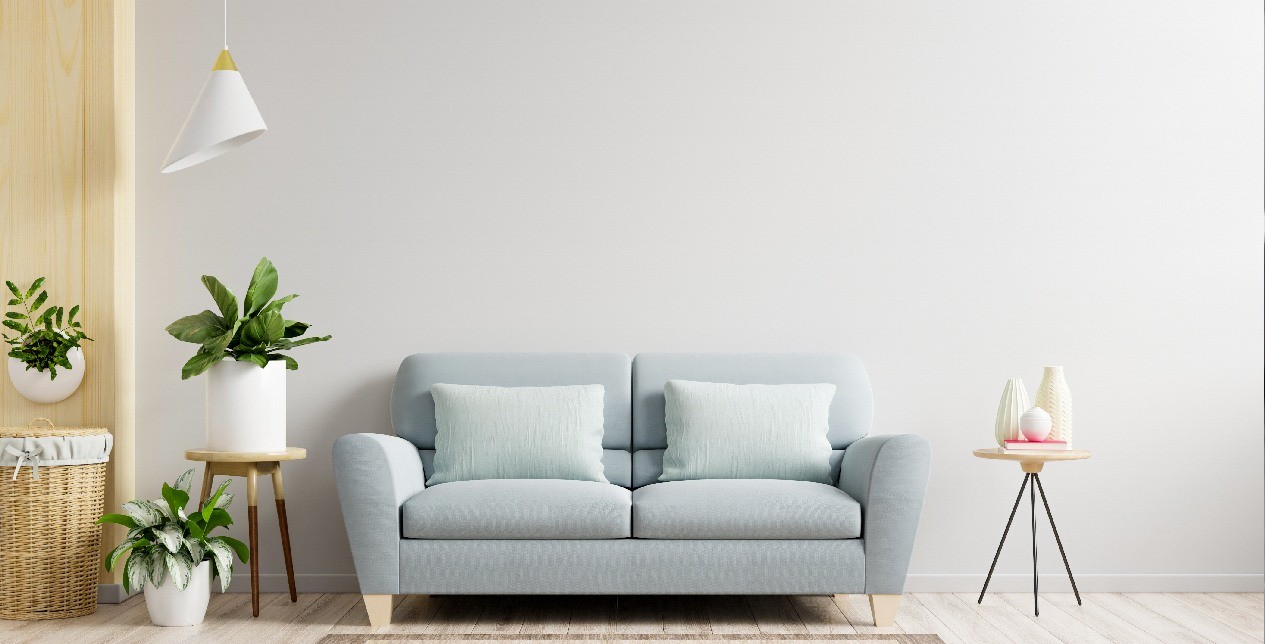







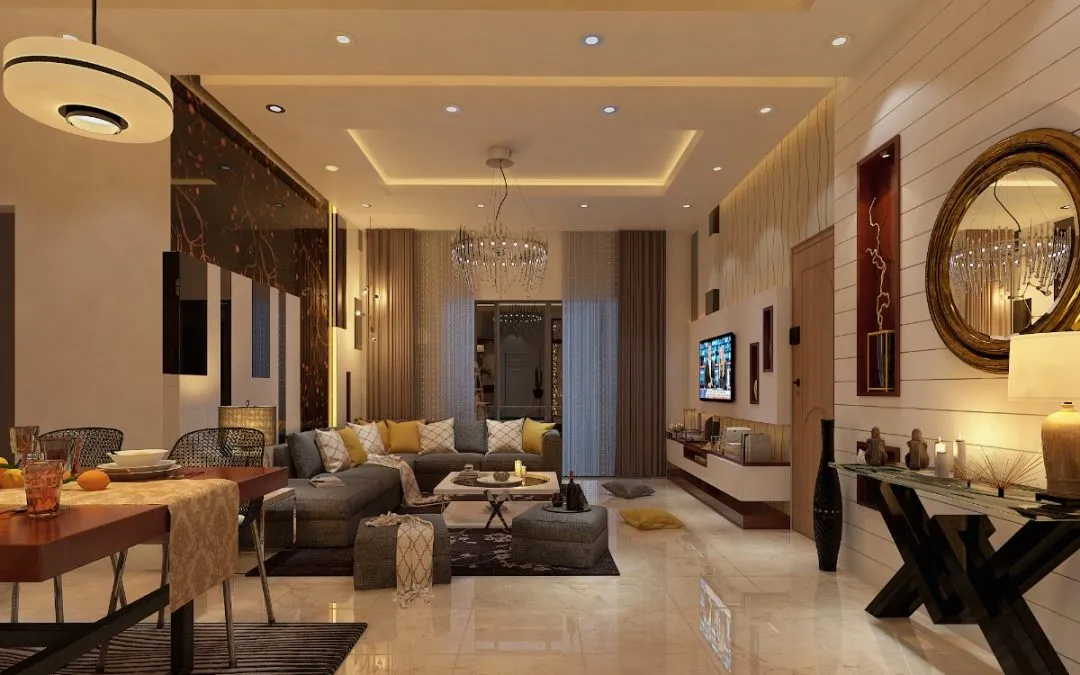
Many homeowners invest heavily in furniture, paint colors, and decorative accessories, yet still feel something is “off” about their interiors. The problem often isn’t your taste or effort—it’s the underlying features of your home that quietly undermine your design choices. Certain architectural elements, outdated fixtures, and functional oversights can make even the most stylish decor look underwhelming.
Understanding these common problem areas is the first step toward transforming your space. From poor lighting placement and awkward room proportions to worn-out flooring and cluttered storage solutions, these features can subtly drag down the overall look and feel of your home.
In this comprehensive guide, we’ll explore the most common home features that could be letting your interiors down, explain why they matter, and offer practical, budget-friendly solutions to help you elevate your living spaces without a full renovation.
Table of Contents
1. Poor Lighting Design
Why Lighting Matters
Lighting is one of the most powerful yet underestimated elements of interior design. Even the most beautifully decorated room can feel dull, cramped, or uninviting if the lighting is wrong.
Common lighting issues include:
- Relying on a single ceiling light
- Harsh white lighting that feels clinical
- Poor placement that creates shadows
- Lack of task or accent lighting
How It Lets Interiors Down
A single overhead fixture flattens the room and highlights imperfections. Insufficient lighting can make colors appear lifeless and spaces feel smaller than they are.
How to Fix It
- Layer your lighting with ambient, task, and accent lights
- Use warm or neutral color temperatures for living spaces
- Add floor lamps, table lamps, and wall sconces
- Install dimmers to control mood and brightness
2. Outdated or Worn Flooring
The Foundation of Your Interior
Flooring covers a large visual area, making it one of the most influential design elements in your home. Old carpets, scratched wood, or mismatched tiles can instantly age your space.
Common Flooring Problems
- Stained or worn carpets
- Cheap laminate that peels or warps
- Inconsistent flooring between rooms
- Dated tile patterns
Solutions That Work
- Replace carpets with hardwood, vinyl plank, or laminate
- Use large rugs to hide flaws and define spaces
- Maintain consistency across connected rooms
- Choose neutral tones that adapt to changing decor
3. Awkward Room Layouts
The Layout Trap
Even spacious homes can feel uncomfortable if the layout doesn’t flow. Poor furniture placement or architectural quirks often disrupt movement and functionality.
Signs of a Bad Layout
- Furniture blocking natural pathways
- Rooms that feel overcrowded or empty
- TV placed too high or too far
- Dining areas that feel disconnected
Practical Fixes
- Float furniture away from walls where possible
- Use rugs to anchor seating zones
- Reposition key pieces to improve flow
- Consider multi-functional furniture
4. Dated Wall Colors and Finishes
When Walls Work Against You
Bold or outdated wall colors can overwhelm a room or make it feel smaller and darker than it really is.
Common Wall Mistakes
- Overly dark colors in small rooms
- Glossy finishes highlighting imperfections
- Feature walls that feel forced
- Yellowed or chipped paint
Easy Improvements
- Repaint with neutral or soft tones
- Use matte or eggshell finishes
- Introduce color through decor instead
- Repair and prep walls properly before painting
5. Cluttered or Insufficient Storage
The Clutter Problem
No matter how stylish your furniture is, clutter will always steal the spotlight. Poor storage solutions lead to messy surfaces and visual chaos.
Storage-Related Issues
- Overfilled shelves
- Lack of hidden storage
- Wardrobes that don’t maximize space
- Random storage furniture
Smart Storage Solutions
- Invest in built-in storage where possible
- Use baskets, boxes, and organizers
- Choose furniture with hidden compartments
- Regularly declutter unused items
6. Cheap or Mismatched Fixtures
Small Details, Big Impact
Light switches, door handles, cabinet knobs, and taps may seem minor, but mismatched or low-quality fixtures can cheapen the entire interior.
Common Fixture Mistakes
- Mixed metals without intention
- Plastic switches and sockets
- Old-fashioned handles
- Visible wear and tear
Simple Upgrades
- Standardize finishes throughout the home
- Replace plastic fixtures with metal ones
- Choose modern, minimal designs
- Keep hardware clean and well-maintained
7. Poor Window Treatments
When Windows Are an Afterthought
Curtains and blinds play a crucial role in balancing light, privacy, and style. Poor choices can make ceilings look lower and rooms feel cramped.
Typical Problems
- Curtains hung too low
- Cheap, thin fabrics
- Outdated patterns
- Ill-fitting blinds
How to Improve
- Hang curtains closer to the ceiling
- Choose floor-length designs
- Use neutral or textured fabrics
- Layer sheers with heavier drapes
8. Inconsistent Design Style
The Style Identity Crisis
Mixing styles without a plan often results in interiors that feel confused rather than eclectic.
Warning Signs
- Too many contrasting themes
- Furniture from different eras clashing
- Random decor purchases
- No cohesive color palette
Finding Balance
- Choose one primary design style
- Use a consistent color scheme
- Mix styles intentionally and sparingly
- Repeat materials and finishes
9. Ignoring Ceiling Design
The Forgotten Surface
Ceilings are often overlooked, yet they significantly influence how spacious a room feels.
Ceiling Issues
- Cracks or stains
- Dated textures
- Poor lighting integration
- Low ceilings emphasized incorrectly
Design Solutions
- Repaint ceilings in lighter shades
- Remove outdated textures if possible
- Add subtle molding or beams
- Use upward lighting to enhance height
10. Overcrowded Decor and Accessories
When Decor Goes Too Far
Accessories should enhance your space, not overwhelm it. Too many decorative items can make interiors feel cluttered and stressful.
Common Mistakes
- Overloaded shelves
- Too many throw pillows
- Excessive wall art
- Trend-driven purchases
Better Styling Tips
- Follow the “less is more” rule
- Group decor in odd numbers
- Leave breathing space between items
- Rotate accessories seasonally
11. Poorly Designed Kitchens
The Heart of the Home
Kitchens are highly functional spaces, and poor design choices quickly become visual and practical problems.
Kitchen Features That Let You Down
- Inadequate lighting
- Limited counter space
- Dated cabinets
- Visible clutter
Improvement Ideas
- Add under-cabinet lighting
- Use organizers to hide clutter
- Reface or repaint cabinets
- Upgrade handles and faucets
12. Bathrooms That Feel Tired
Small Space, Big Impression
Bathrooms often show wear faster than other rooms. Outdated fittings and poor lighting can make them feel unclean or cramped.
Common Bathroom Issues
- Old tiles
- Yellow lighting
- Minimal storage
- Worn fixtures
Refresh Without Renovation
- Replace mirrors and lighting
- Use lighter tiles or paint
- Add vertical storage
- Upgrade towels and accessories
13. Neglecting Entryways and Hallways
First Impressions Matter
Your entryway sets the tone for the entire home, yet it’s often ignored.
Typical Problems
- Poor lighting
- Lack of storage
- Bare walls
- Cluttered floors
Easy Fixes
- Add a console table or bench
- Install hooks or shoe storage
- Use mirrors to enhance light
- Add artwork or rugs
14. Poor Acoustics
The Hidden Comfort Factor
Echoes, noise transfer, and lack of sound absorption can make a home uncomfortable, especially in open-plan spaces.
Acoustic Issues
- Hard surfaces everywhere
- Minimal soft furnishings
- Open layouts without zoning
Acoustic Improvements
- Add rugs and curtains
- Use upholstered furniture
- Introduce wall hangings or panels
- Zone spaces with furniture
15. Ignoring Maintenance and Wear
The Slow Decline
Chipped paint, loose handles, and scuffed walls slowly degrade your interiors over time.
Maintenance Red Flags
- Cracks and stains
- Squeaky doors
- Peeling finishes
- Loose fixtures
Stay Ahead
- Schedule regular maintenance
- Fix small issues early
- Keep touch-up paint handy
- Inspect high-traffic areas often
Conclusion
Your interiors may be underperforming not because of poor taste, but because of overlooked home features working against your design efforts. By identifying and addressing these common problem areas—lighting, layout, storage, finishes, and maintenance—you can dramatically improve the look and feel of your home.
The best part? Many of these fixes don’t require a major renovation. Thoughtful updates, consistent styling, and smart design choices can breathe new life into your interiors, making your home feel more comfortable, cohesive, and visual