





Planting a garden or starting a landscape project in Kansas City, Missouri, starts with one critical question: What is my planting zone? Knowing the USDA Plant Hardiness Zone helps gardeners choose the right perennials, trees, shrubs, and vegetables that will thrive from season to season. In Kansas City, the answer is clear—but there are important local variations and climate trends every resident should know.
Table of Contents
Understanding the USDA Plant Hardiness Zone Map
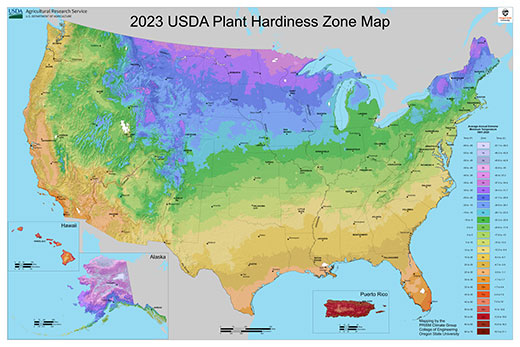
The USDA Plant Hardiness Zone Map divides North America into zones based on the average annual extreme minimum temperature. Each zone reflects a temperature range and helps gardeners determine which plants are likely to survive the winter in their area.
Zones are numbered 1 (coldest) to 13 (warmest)
Each zone has “a” (colder half) and “b” (warmer half) subdivisions
The map is updated every decade or so as climate patterns shift
Kansas City, Missouri: Predominant Zones
Current Zones
As of the 2023 USDA update, most of Kansas City, Missouri, falls within:
Zone 6a: -10°F to -5°F
Zone 6b: -5°F to 0°F
Some urban and southern fringe areas trend toward Zone 7a: 0°F to 5°F, especially as winters become milder. The heart of the metro, however, remains firmly in 6a/6b.
Why Zones Matter
Zones guide what perennials survive, help time plantings, and affect bulb and shrub choices. Planting outside your zone increases risks of winter damage or crop failure.
Microclimates and Urban Effects in Kansas City
Not all Kansas City neighborhoods are identical.
Downtown/Urban Core: Heat islands push temps up, nudging some micro-pockets closer to 6b or even 7a.
North & Suburbs: Outlying areas, especially north-facing or low-lying sites, may trend slightly colder (6a).
Elevated/South Slope: Increased sun exposure creates milder mini-zones, expanding plant options.
Wind, hills, buildings, soil type, and water bodies all affect survival and performance, so always observe your own yard’s quirks.
Growing Season and Frost Dates
Typical Kansas City frost dates:
Last spring frost: Mid-April
First fall frost: Late October
That means a growing season of about 185–200 days—plenty of time for veggies and annuals, but watch bulb and perennial planting windows. Always check local frost alerts before setting out tender plants.
Best Plants for Kansas City, Zone 6a/6b Gardens
Tried-and-True Perennials
Coneflower, daylily, black-eyed Susan, peony, hosta, astilbe
Most hardy shrubs (boxwood, hydrangea, forsythia, viburnum)
Ornamental grasses (switchgrass, feather reed)
Top Trees
Maple, oak, dogwood, redbud, serviceberry
Fruit trees: apple, cherry, peach (with protection)
Annuals and Vegetables
Tomatoes, peppers, corn, beans, lettuce, spinach, broccoli
Herbs: chives, mint, oregano, parsley, sage
Challenges and Advantages of Kansas City’s Zone
Pros
A broad range of plants flourish—four distinct seasons support a huge array of perennials, annuals, and trees
Cold winters curb many pests and diseases
Challenges
Late frosts and rapid spring swings can zap early blooms
Summer heat waves stress cool-season plants
Occasional extreme cold snaps (below Zone 6 “norms”) especially in open or exposed locations
Urban Gardening: Innovative Ideas for Kansas City
City gardeners can maximize small or protected spaces with:
Raised beds—warm up quickly for early crops
Windbreaks—shrubs or fences help mitigate winter winds
Mulch & Compost—retain moisture and buffer temperature swings
Climate Shifts and the Future of Planting in Kansas City
The new 2023 USDA map shows Kansas City is trending a half-zone warmer than years past, expanding what can survive here—but unpredictable weather means it’s best to “hedge” with tried-and-true zone 6b/6a plantings, especially perennials and fruit trees.
Native and Drought-Tolerant Choices
Choosing Missouri natives and drought-resistant varieties helps create resilient, low-maintenance gardens that thrive through heat, dry spells, and wild weather:
Native wildflowers: milkweed, blazing star, butterfly weed
Prairie grasses: little bluestem, big bluestem
Xeriscape plants: sedum, yarrow, coreopsis
Gardening Tips for Kansas City’s Hardiness Zone
Mulch generously for winter root protection
Water deeply, especially in fall before ground freezes
Prune only at the right time for each plant type
Grow vegetables in raised beds for longer seasons
Clean up dead plant material to deter pests
Planning a Four-Season Kansas City Garden
Spring: Plant cold-hardy vegetables, bulbs, and cool-adapted annuals after frost
Summer: Transition to heat-tolerant crops; keep mulch thick
Fall: Add perennials, spring-flowering bulbs, cool-season veggies
Winter: Prepare beds, protect vulnerable plants, plan seed orders
Local Garden Resources and Support
Kansas City Community Gardens
Local extension offices (MU, K-State)
Missouri Botanical Garden
Master Gardener programs and local nurseries
FAQ
Q1. What is Kansas City planting zone?
Kansas City planting zone, Missouri is mostly in USDA Hardiness Zones 6a and 6b, with some warmer spots approaching 7a.
Q2. Can I plant Zone 7 plants in Kansas City?
Some Zone 7 plants may thrive in protected microclimates or during milder winters, but it’s safest to select plants hardy to Zone 6.
Q3. When is Kansas City’s last frost date?
Typically, the last frost is in mid-April, but weather can vary.
Q4. Can I overwinter tender perennials?
It’s risky—most Zone 7 or higher perennials need protection or must be brought indoors for winter.
Q5. Where can I find Kansas City plant recommendations?
Consult the latest USDA map, local extension, or Missouri Botanical Garden for up-to-date plant lists.
Conclusion
Knowing Kansas City’s USDA hardiness zone—primarily Zones 6a and 6b—is the key to garden success. It shapes what survives and thrives through the Midwest’s wild weather swings. By understanding microclimates, leveraging local resources, and choosing hardy, region-appropriate plants, Kansas City gardeners can create beautiful, resilient spaces season after season. Whether planting a vegetable patch, a pollinator meadow, or a shaded urban oasis, ground every decision in zone-smart knowledge for the absolute best results.