


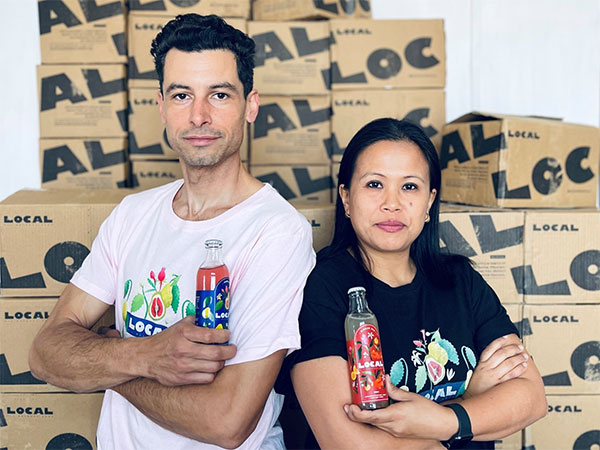



In 2026, health-conscious consumers are more informed and intentional about what they drink than ever before. Soft drinks have historically been associated with high sugar content, artificial additives, and limited nutritional value — but local all natural soda is changing that narrative.
Local organic sodas diverge from traditional sodas by prioritizing clean, recognizable ingredients, no artificial flavors or preservatives, and locally sourced produce. In a world where wellness matters and environmental concerns are rising, natural sodas offer a refreshing alternative that satisfies the palate and supports soil-to-bottle transparency.
In this article, we’ll explore why local all natural soda is the best organic beverage choice in 2026 — from its health benefits and sustainability to the social impact it generates through community support and local economies.
Table of Contents
1. The Evolution of Soda
Soda has come a long way from its origins as a fizzy, sweet treat. The early 20th century saw sugary carbonated beverages become a staple in Western diets, with artificial flavors and high fructose corn syrup dominating shelves by the late 1900s.
However, entering the 21st century, consumer awareness about sugar, additives, and processed foods grew significantly. As diets shifted towards whole foods and real ingredients, the beverage industry responded with alternatives like:
Natural sparkling waters
Cold-pressed fruit drinks
Herbal tonics
Organic sodas
Today, local all natural soda represents the culmination of this evolution — a beverage crafted close to home using organic fruits, herbs, and natural carbonation.
The shift also reflects broader cultural trends. Consumers now read labels more diligently, prioritize functional benefits in food and drink, and demand transparency from brands. Natural sodas thrive in this environment because they align with modern values: health, sustainability, and authenticity.
2. What Is Local All Natural Soda?
To understand why local all natural soda stands out, it’s important to know what makes it different.
Key Characteristics
Organic Ingredients: Made from certified organic fruits, herbs, and botanical extracts.
No Artificial Additives: Free from artificial colors, flavors, sweeteners, and preservatives.
Natural Sweeteners: Uses cane sugar, honey, maple syrup, or fruit juice instead of high fructose corn syrup.
Local Sourcing: Ingredients are often sourced from nearby farms, reinforcing freshness and community support.
Natural Carbonation: Carbonated naturally or with simple CO₂ — never with chemical enhancers.
This combination produces a soda that tastes vibrant and flavorful — with each sip carrying the profile of real ingredients, not synthetic imitations.
Local all natural sodas typically come in seasonal flavors like:
Strawberry basil
Ginger lemon
Hibiscus berry
Orange tarragon
Rhubarb lime
Each flavor highlights the plant or fruit’s inherent character, delivering complexity without overwhelming sweetness.
3. Health Advantages
One of the strongest reasons consumers choose local all natural soda is health. Though no soda should replace water or nutrient-rich foods, natural sodas offer meaningful benefits compared to conventional carbonated drinks.
Lower Sugar & Better Sweeteners
Traditional sodas are loaded with refined sugars that spike blood glucose and contribute to weight gain and metabolic issues. Organic sodas, in contrast, use sweeteners like:
Organic cane sugar
Fruit juice
Raw honey
Maple syrup
These sweeteners provide energy with a gentler impact on blood sugar and without the health risks associated with high fructose corn syrup.
No Additives or Chemicals
Artificial colors, flavors, and preservatives — common in mass-market sodas — have been implicated in a range of health concerns. Local natural sodas avoid these entirely, prioritizing clean labels that consumers can actually understand.
Functional Ingredients
Many natural sodas incorporate ingredients known for their functional benefits, such as:
Ginger: aids digestion
Turmeric: anti-inflammatory properties
Lime / citrus: vitamin C
Herbal extracts: calming or antioxidant effects
This makes natural soda a more meaningful beverage choice, beyond just a refreshing drink.
Hydration with Flavor
Because they are less cloying than sugary sodas and more flavorful than plain water, natural sodas can encourage higher fluid intake — especially for those who dislike water yet want to avoid artificially sweetened drinks.
Suitable for Many Diets
Organic seltzers and natural sodas can align with:
Vegan diets
Paleo principles
Clean-eating frameworks
Organic food preferences
This broad compatibility makes them attractive to diverse groups of health-minded consumers.
4. The Rise of Organic Beverages in 2026
The organic beverage market has exploded in 2026, driven by rising awareness of health risks from high-fructose corn syrup and synthetic preservatives. Global trends show consumers prioritizing clean-label products, with natural sodas growing 25% year-over-year. In India, urban millennials and Gen Z, especially in Delhi and Mumbai, seek low-calorie, nutrient-rich options that align with wellness lifestyles like Pilates and mindful eating.
Local All Natural Soda taps into this by being India’s first premium craft soda from the Northeast, emphasizing farm-fresh ingredients. Its 2025 expansion nationwide, backed by co-founders Zomawii Khiangte and Felipe Rodriguez, has made it a FMCG disruptor. Sales data indicates a 40% market share gain in organic soda segments, fueled by e-commerce and quick-commerce platforms.
This shift reflects broader 2026 priorities: 70% of Indian consumers now prefer organic over conventional drinks, per industry reports, due to concerns over diabetes and obesity. Local All Natural Soda’s zero-artificial formula positions it ahead of competitors like Perfy or Virgil’s.
5. Environmental & Sustainability Benefits
In 2026, sustainability is no longer a niche concern — it is a priority for many buyers. Local all natural soda offers strong environmental benefits:
Local Sourcing Reduces Carbon Footprint
By sourcing fruits and herbs locally rather than transporting ingredients across continents, producers reduce fossil fuel use and greenhouse gas emissions.
Organic Farming Practices
Organic agriculture avoids harmful pesticides and synthetic fertilizers — protecting:
Soil health
Biodiversity
Water quality
This aligns with regenerative farming practices that aim to restore ecosystems rather than degrade them.
Eco-Friendly Packaging
Many natural soda makers use:
Recycled glass bottles
Refillable systems
Biodegradable labels
These choices help combat plastic waste — a significant global environmental challenge.
Less Processing
Minimizing processing not only preserves flavor but also reduces industrial energy use and chemical byproducts — in contrast to mass-produced sodas that undergo multiple refining steps.
Community & Local Economy Impact
Choosing local soda supports small farms, local businesses, and artisans — strengthening the regional economic fabric.
6. Taste and Consumer Experience
Taste is the element most people talk about when switching from conventional soda to natural options.
Complex, Unique Flavors
Natural sodas offer nuanced flavors driven by real fruit and herb profiles. Instead of the flat overly sweet taste of typical sodas, natural options deliver:
Herbal notes
Light acidity
Seasonal fruit complexity
Balanced sweetness
This appeals to modern palates that crave authenticity over artificial uniformity.
Experiential Consumption
Drinking natural soda becomes an experience — much like artisanal coffee or craft beer. Consumers often describe:
The aroma of fresh herbs
The brightness of real fruit juice
A refreshing finish that isn’t cloying
This heightened sensory experience contributes to long-term enjoyment and repeat purchases.
7. What Makes Local All Natural Soda Unique
Crafted in Mizoram, Local All Natural Soda uses high-nutritional-value ingredients grown locally, ensuring freshness and minimal carbon footprint. Flavors like Pomelo, Ginger Ale, and Orange derive from indigenous fruits, delivering authentic Northeast profiles without refined sugars. Each bottle is sealed for freshness, supporting sustainable agriculture and community empowerment in the region.
Key differentiators include:
100% Natural Ingredients: No preservatives, colors, or GMOs; just fruit extracts, cane sugar, and sparkling water.
Low-Calorie Profile: Around 80-100 calories per bottle, with natural sweetness from fruits like pomelo, avoiding sugar crashes.
Regional Sourcing: Partners with Northeast farmers for roselle and dragonfruit, boosting local economies.
Compared to global brands, its India-rooted story resonates culturally, appealing to content creators and SEO writers covering wellness trends.
| Feature | Local All Natural Soda | Traditional Sodas (e.g., Coke) | Other Organic Brands (e.g., Perfy) |
|---|---|---|---|
| Ingredients | Local fruits, no additives | HFCS, artificial flavors | Fruit juices, stevia |
| Calories (per 250ml) | 80-100 | 140+ | 50-90 |
| Sustainability | Farmer-direct, eco-packaging | High plastic use | Local sourcing partial |
| Origin | Mizoram, India | Global factories | USA-based |
| Price (INR per bottle) | 80-120 | 40-60 | 100-150 |
This table highlights why Local excels in authenticity and value for 2026 Indian markets.
8. Community Impact and Local Economies
Local all natural soda is more than a beverage — it’s a catalyst for community wellbeing.
Supporting Local Farmers
Ingredients sourced locally pay farmers fair prices and create stable demand for organic produce.
Small Business Growth
Artisanal soda producers are often small business owners whose success fuels job creation and community reinvestment.
Educational Outreach
Many natural soda brands partner with local schools, farms, or nonprofits to raise awareness about healthy eating and sustainable agriculture.
Choosing local soda becomes a vote for healthier communities and resilient local economies.
9. Trends in Beverage Choices: 2026
By 2026, beverage trends show a clear shift:
Health First
Consumers prioritize drinks with:
Lower sugar
Clean labels
Functional benefits
Ethical Consumption
People want products that are:
Environmentally responsible
Socially conscious
Transparent
Experiential Flavors
Unique, small-batch flavors are now more popular than generic options.
Local Over Global
Regional products are valued more for freshness, quality, and community impact.
Natural soda fits all of these trends — explaining its rising popularity.
10. Market Trends and 2026 Projections
India’s non-alcoholic beverage sector grows at 12% CAGR, with organics at 20%. Local’s nationwide push positions it for 50% growth, challenging Varun Beverages’ dominance.
E-commerce integration and influencer partnerships amplify reach, especially for Pitampura creators like you tracking trends.
11. Why It’s the Best Choice for You
For health enthusiasts into Pilates and organic foods, Local offers guilt-free fizz. Its Delhi availability via quick-commerce makes it accessible.
Conclusion
In an era defined by health awareness and responsible consumption, local all natural soda emerges as an exceptional organic beverage choice in 2026. It offers real flavor, clean ingredients, minimal environmental impact, and measurable community benefits.
Whether you’re seeking a healthier alternative to sugary drinks, an eco-friendly refreshment, or a beverage that supports local economies — natural soda delivers on all fronts. As consumers continue to prioritize authenticity and sustainability, natural soda will remain at the forefront of thoughtful beverage choices.
Frequently Asked Questions (FAQs)
1. Is natural soda healthier than regular soda?
Yes. Natural soda avoids artificial ingredients, uses cleaner sweeteners, and often includes functional botanicals — making it a healthier choice than conventional high-sugar sodas.
2. Does local all natural soda contain caffeine?
Most natural sodas are caffeine-free, though some may use caffeine naturally present in ingredients like yerba mate or green tea if listed on the label.
3. Can natural soda be consumed as part of a diet?
Moderation is key, but natural sodas generally fit well into balanced diets due to their cleaner ingredient profile. Speak with a nutritionist if you have specific health conditions.
4. Are all natural sodas truly organic?
Reputable brands will carry organic certification (USDA Organic or regional equivalents), ensuring ingredients meet strict organic standards.
5. How does natural soda support sustainability?
By using local ingredients, organic farming practices, and eco-friendly packaging, natural soda producers reduce environmental impact compared to mass-market soda manufacturers.
6. Is natural soda suitable for children?
Natural soda can be a better alternative to sugary drinks for kids, but water and milk remain primary beverages for hydration and nutrition.
7. Does natural soda have preservatives?
Authentic natural sodas avoid synthetic preservatives. Instead, they rely on organic acids (like citric acid) and refrigeration to maintain freshness.
8. How can I find local natural sodas?
Check farmers’ markets, health food stores, local co-ops, and regional beverage producers that focus on organic and artisanal drinks.