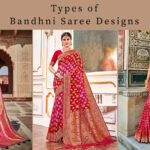








Bandhej Saree and Bandhani sarees are often used interchangeably, yet each carries unique regional styles, techniques, and cultural meanings rooted in India’s textile heritage. Originating from Gujarat and Rajasthan, these traditional tie-and-dye fabrics are crafted by meticulously tying small sections of cloth before dyeing to create signature dotted patterns that symbolize auspiciousness and celebration. This article delves into the nuanced differences, shared techniques, and enduring significance of these vibrant sarees treasured by brides and connoisseurs alike.
Table of Contents
Origins and Traditional Techniques
Both Bandhej and Bandhani stem from the Sanskrit word “bandh” (to tie), showcasing a craft that traces back over 5,000 years to the Indus Valley civilization. The fabric is tied into tiny knots and dyed to produce a mosaic of colors and patterns. Gujarat’s Bandhani employs finer, tighter knots producing dense, detailed grids of dots, while Rajasthan’s Bandhej features larger knots and patterns with regal motifs inspired by architecture and nature.
Regional Styles and Fabric Choices
Gujarat Bandhani
Dense, intricate dot patterns arranged in geometric grids
Bright and playful color palettes including pinks, greens, and oranges
Common fabrics: cotton, georgette
Famous types: Gharchola, Panetar sarees for weddings and festivities
Rajasthan Bandhej
Larger spaced dots with wave (Leheriya) and crisscross (Mothda) patterns
Rich, royal color schemes such as maroon, purple, and gold
Common fabrics: silk, chiffon, malmal
Often paired with Gota Patti embellishments for bridal wear
Cultural Significance
Both Bandhej and Bandhani sarees are integral to Indian cultural rituals, particularly weddings and festivals. Colors and patterns symbolize blessings for prosperity, fertility, and marital happiness. Brides from Gujarat and Rajasthan traditionally don these sarees as part of their trousseau, preserving centuries-old customs.
Contemporary Use and Fashion
Today, Bandhani and Bandhej are evolving beyond traditional attire to include modern fabrics and fusion styles. Designers incorporate these prints into casual, office, and party wear, blending age-old artistry with contemporary sensibilities.
FAQs
Are Bandhej Saree and Bandhani the same?
They share core techniques but differ regionally in knot size, pattern density, color schemes, and fabric preferences.
Which is finer—Bandhej or Bandhani?
Bandhani usually features finer, more detailed knots; Bandhej has larger knots and bold designs.
Where do these sarees originate?
Bandhani is mainly from Gujarat; Bandhej is from Rajasthan.
What occasions suit these sarees?
Both are traditional choices for weddings, religious ceremonies, and festivals.
Conclusion
Bandhej Saree and Bandhani sarees exemplify India’s rich textile heritage, each narrating stories through color and craft. Their timeless appeal and cultural depth continue captivating brides and fashion lovers while connecting the past with the present in vibrant hues and intricate knots.