






Recovery is a critical component of any fitness or athletic routine. While training hard is essential for progress, the way your body recovers can significantly impact performance, muscle growth, and overall well-being. Among the popular recovery methods, cold therapy has gained attention for its potential to reduce inflammation, speed up recovery, and improve muscle function. Two prominent forms of cold therapy are cold plunges and ice baths. But which one delivers better recovery results?
For those looking to integrate cold therapy into their routine, a cold plunge for home offers a convenient and controlled environment to experience the benefits of cold exposure without visiting a gym or spa. Understanding the differences between cold plunges and ice baths can help you determine which option aligns best with your goals.
Table of Contents
What is a Cold Plunge?
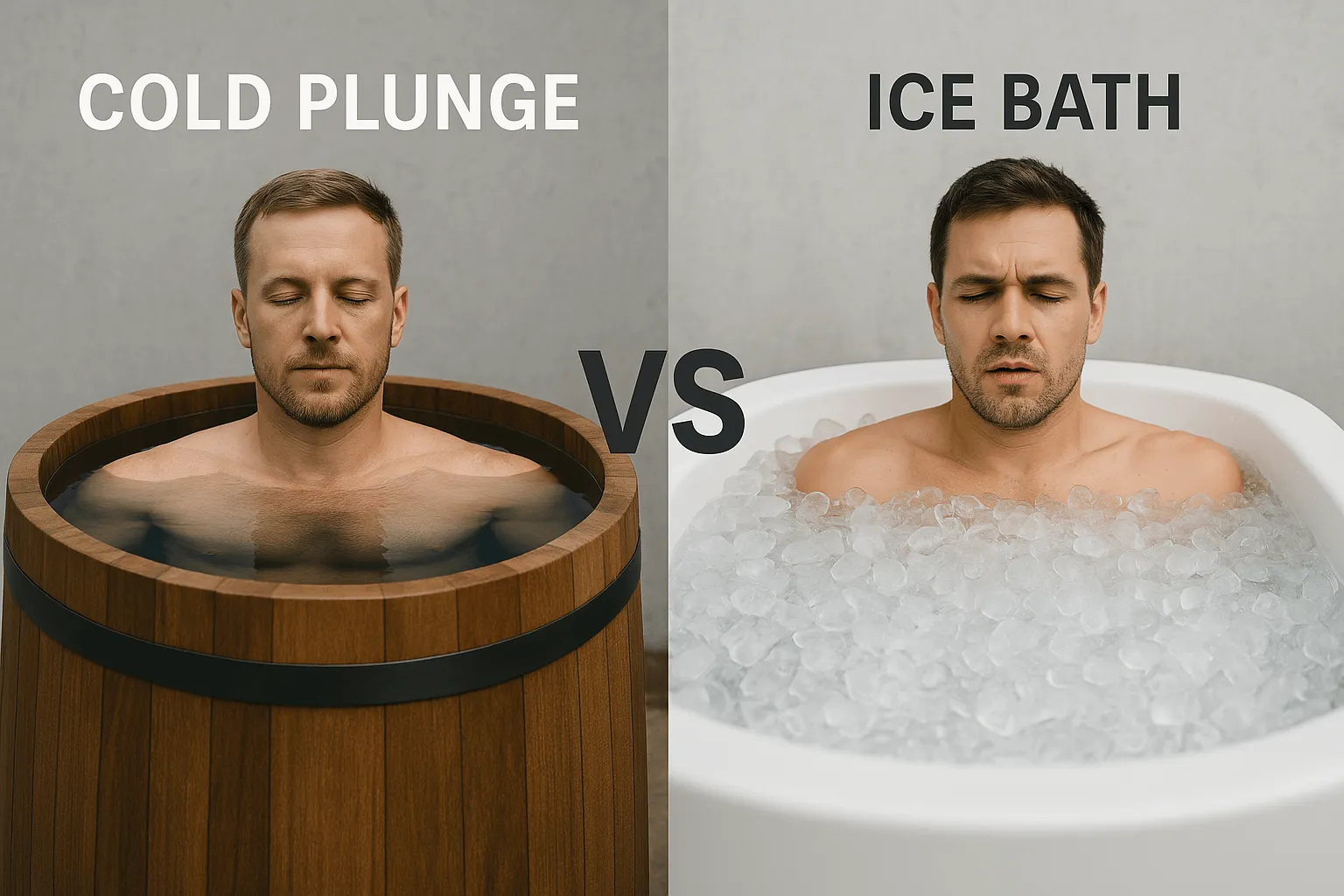
A cold plunge is a pool or tub filled with chilled water, typically ranging from 50°F to 59°F (10°C to 15°C). These units are designed to maintain a consistent temperature, providing an ideal environment for controlled cold exposure. Cold plunges are often equipped with filtration systems, making them more hygienic than makeshift ice baths.
The benefits of cold plunges include reduced muscle soreness, decreased inflammation, and improved circulation. They are also associated with mental recovery benefits, as the shock of cold water can boost endorphin production, improve focus, and enhance mood. Many athletes use cold plunges after intense workouts to accelerate recovery and prepare for the next training session.
What is an Ice Bath?
Ice baths, on the other hand, involve immersing yourself in water that contains ice, often resulting in temperatures between 32°F and 50°F (0°C to 10°C). Unlike cold plunges, ice baths are typically temporary setups using a bathtub, large container, or tub filled with water and ice.
Ice baths are known for their intense cold shock, which can be effective in reducing acute inflammation and swelling. This method has been widely used by professional athletes following high-intensity training sessions or competitions. However, maintaining the ideal ice bath temperature can be challenging, and the setup may be inconvenient for frequent use.
Cold Plunge vs Ice Bath: Key Differences
Temperature Control
One of the main differences between cold plunges and ice baths is temperature consistency. Cold plunges maintain a stable temperature, providing a controlled environment for regular recovery sessions. Ice baths, however, rely on adding ice to water, making it difficult to sustain a consistent temperature throughout the session.
Convenience and Accessibility
Cold plunges offer unmatched convenience, especially for home use. With a dedicated cold plunge, you can enjoy regular sessions without the hassle of preparing ice each time. Ice baths require constant preparation, which may limit their practicality for daily recovery routines.
Hygiene and Maintenance
Cold plunge systems typically include filtration and circulation features, ensuring clean water for each session. Ice baths require frequent water changes and can be less hygienic, particularly if used by multiple people or without proper maintenance.
Recovery Effectiveness
Both cold plunges and ice baths can aid in muscle recovery and inflammation reduction, but the intensity differs. Ice baths provide a more intense cold shock, which may be beneficial for acute recovery after extreme workouts. Cold plunges offer a more consistent and sustainable approach, ideal for long-term recovery routines.
How to Maximize Recovery Benefits
To get the most out of cold therapy, it’s important to follow best practices:
- Duration: Aim for 5–15 minutes per session. Longer exposure may increase discomfort without adding significant recovery benefits.
- Frequency: Incorporate cold therapy 2–4 times per week depending on training intensity.
- Temperature: Adjust water temperature based on tolerance, starting with slightly warmer water and gradually cooling down as you adapt.
- Post-Session Care: Follow up with gentle stretching or mobility work to complement recovery.
Making the Right Choice for You
Choosing between a cold plunge and an ice bath ultimately depends on your lifestyle, recovery goals, and frequency of use. For those seeking a consistent and convenient recovery method, investing in a cold plunge for home may provide the ideal solution. Ice baths are more suitable for those needing intense, occasional recovery sessions, especially after extreme workouts or competitions.
In conclusion, both cold plunges and ice baths offer unique recovery benefits. Cold plunges excel in consistency, convenience, and long-term integration into a fitness routine, while ice baths deliver a high-intensity shock ideal for immediate inflammation reduction. By understanding your recovery needs and preferences, you can select the cold therapy method that best supports your athletic performance and overall well-being.