







Automatic watches are more than just timekeeping devices—they are miniature mechanical marvels crafted with precision, heritage, and artistry. Unlike quartz watches that rely on batteries, automatic watches are powered by the natural movement of your wrist. Inside the case, a complex arrangement of gears, springs, and rotors works tirelessly to keep time accurate.
However, this mechanical beauty also makes automatic watches delicate. Without proper care, they can lose accuracy, suffer internal wear, or even stop functioning entirely. The good news is that you don’t need expensive tools or professional equipment to maintain your watch daily. With a few smart habits and basic knowledge, you can significantly extend the lifespan of your automatic watch right at home.
In this complete guide, we will explore the best 5 smart ways to care for automatic watches at home. Each method is explained in detail, making this article ideal for beginners, enthusiasts, and collectors alike.
Table of Contents
Understanding Automatic Watches (Why Care Matters)
Before diving into care tips, it’s important to understand how automatic watches work.
An automatic watch uses a self-winding mechanical movement. When you move your wrist, a metal rotor spins and winds the mainspring. This stored energy powers the watch. Because of this design:
- Automatic watches are sensitive to shocks
- Lubrication inside the movement can dry over time
- Dust, moisture, and magnetism can affect accuracy
- Improper storage can damage internal components
Proper care ensures:
- Longer lifespan (often decades)
- Better time accuracy
- Lower servicing costs
- Preservation of resale and sentimental value
Smart Way #1: Wear Your Automatic Watch the Right Way
Why Regular Wearing Is Important
Automatic watches are designed to be worn. Regular use keeps the movement lubricated and the mainspring properly tensioned. When a watch sits unused for long periods, oils inside can settle or dry, leading to increased friction and wear.
How Often Should You Wear It?
Ideally:
- Wear your automatic watch at least 3–4 times a week
- Each wearing session should last 6–8 hours
This ensures the rotor has enough motion to fully wind the watch.
Avoid Excessive Wrist Movements
While movement is necessary, avoid activities that involve:
- Heavy vibrations (motorcycling, drilling, power tools)
- Strong impacts (sports like cricket, football, gym workouts)
Such activities can damage:
- Balance wheel
- Shock protection system
- Gear teeth
Smart Tip
If you plan intense physical activity, switch to a sports or quartz watch and keep your automatic watch safe.
Smart Way #2: Clean Your Automatic Watch Safely at Home
Why Cleaning Matters
Dust, sweat, oils, and moisture accumulate over time—especially on the case, bracelet, and crown. If ignored, grime can:
- Cause skin irritation
- Damage seals
- Reduce water resistance
- Dull the watch’s appearance
What You’ll Need
- Soft microfiber cloth
- Soft toothbrush
- Mild liquid soap
- Lukewarm water
- Dry towel
Step-by-Step Cleaning Process
For Metal Bracelets and Cases (Water-Resistant Watches Only)
- Ensure the crown is fully pushed or screwed in
- Mix mild soap with lukewarm water
- Gently brush the bracelet and case
- Rinse carefully under light running water
- Dry thoroughly with a soft cloth
For Leather Straps
- Never soak in water
- Wipe with a dry or slightly damp cloth
- Allow to air dry naturally
Important Warnings
- Never use hot water
- Avoid chemical cleaners
- Do not clean non-water-resistant watches with water
Cleaning Frequency
- Light cleaning: once a week
- Deep cleaning: once a month
Smart Way #3: Store Your Automatic Watch Properly
Why Storage Is Crucial
Improper storage is one of the most common causes of automatic watch damage. Exposure to dust, moisture, magnetism, and extreme temperatures can affect accuracy and longevity.
Ideal Storage Conditions
- Temperature: 15°C – 25°C
- Humidity: Low
- Away from direct sunlight
- Away from magnets and electronics
Watch Box vs Watch Winder
Watch Box
Best for:
- Watches worn frequently
- Short-term storage
Choose a box with:
- Soft lining
- Individual compartments
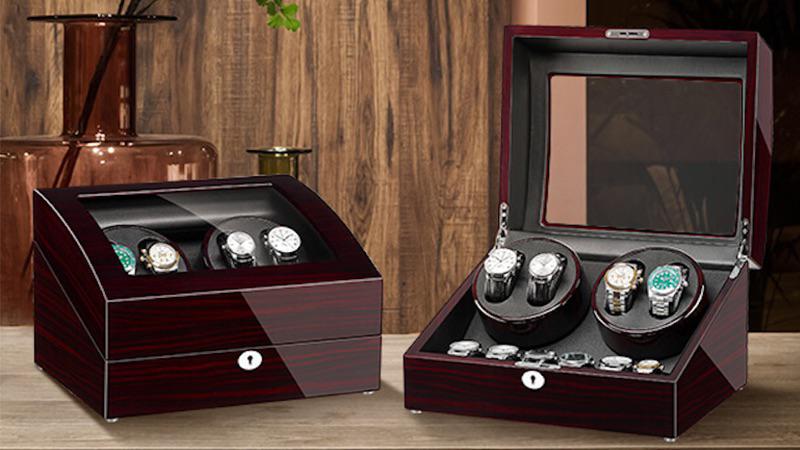
Watch Winder
Best for:
- Multiple automatic watches
- Complicated watches (date, moonphase, perpetual calendar)
How to Use a Watch Winder Safely
- Use correct turns per day (TPD)
- Avoid continuous over-winding
- Use bi-directional winding if unsure
Smart Tip
If you own one automatic watch, regular wearing is often better than a winder.
Smart Way #4: Wind and Set Your Watch Correctly
Manual Winding Basics
Even though automatic watches self-wind, manual winding is sometimes necessary—especially after the watch has stopped.
How to Wind an Automatic Watch
- Remove the watch from your wrist
- Turn the crown clockwise
- Wind gently 20–40 turns
- Stop if you feel resistance
Setting Time and Date Safely
- Avoid changing the date between 9 PM and 3 AM
- This is when the date-change mechanism is active
Why This Matters
Improper setting can:
- Damage date gears
- Misalign complications
- Increase servicing costs
Smart Tip
Always set the time forward rather than backward unless the manufacturer states otherwise.
Smart Way #5: Protect Your Watch from Common Enemies
1. Water and Moisture
Even water-resistant watches are not waterproof forever.
- Gaskets age and degrade
- Hot showers create steam pressure
Avoid:
- Hot water
- Swimming with leather straps
- Opening crown underwater
2. Magnetism
Magnetic fields can cause your watch to run fast or slow.
Common magnetic sources:
- Mobile phones
- Laptops
- Speakers
- Induction cooktops
3. Shocks and Drops
Mechanical movements are sensitive.
- Avoid dropping your watch
- Remove before rough activities
4. Chemicals
Perfumes, cleaning agents, and solvents can damage:
- Case finish
- Gaskets
- Straps
Smart Tip
Apply perfume or deodorant before wearing your watch.
How Often Should You Service an Automatic Watch?
Even with perfect home care, professional servicing is essential.
Recommended Service Interval
- Every 3–5 years (depending on usage and brand)
What Happens During Servicing?
- Complete movement disassembly
- Cleaning and lubrication
- Replacement of worn parts
- Regulation and testing
Skipping service can lead to:
- Increased friction
- Permanent movement damage
- Costly repairs
Common Myths About Automatic Watch Care
Myth 1: Automatic Watches Never Need Winding
False. They need manual winding if not worn regularly.
Myth 2: Water Resistance Is Permanent
False. Gaskets wear out over time.
Myth 3: Watch Winders Damage Watches
False. Incorrect settings damage watches, not winders themselves.
Benefits of Proper Automatic Watch Care
- Extended lifespan
- Better accuracy
- Lower maintenance cost
- Preserved aesthetic appeal
- Higher resale value
An automatic watch cared for properly can last generations.
Conclusion
Caring for an automatic watch at home doesn’t require advanced technical skills—just consistency, awareness, and respect for the craftsmanship. By wearing your watch correctly, cleaning it regularly, storing it safely, winding it properly, and protecting it from common hazards, you ensure it continues to perform flawlessly.
The best 5 smart ways to care for automatic watches at home outlined in this guide are practical, proven, and easy to follow. Whether you own a single automatic watch or a growing collection, these habits will help preserve your timepiece for years—and even generations—to come.
FAQs
Q1. Can I keep my automatic watch unused for a long time?
Yes, but it’s best to wind it manually once every few weeks and store it properly to prevent oil from settling.
Q2. Is a watch winder necessary?
No, it’s optional. It’s useful if you own multiple watches or complicated movements.
Q3. How do I know if my watch is magnetized?
If it suddenly runs too fast or too slow, magnetism may be the cause. A watchmaker can demagnetize it easily.
Q4. Can I shower with my automatic watch?
Not recommended. Heat and steam can damage seals even if the watch is water-resistant.
Q5. How long does an automatic watch last?
With proper care and regular servicing, an automatic watch can last decades or even a lifetime.
Q6. Should I wind my watch while wearing it?
No. Always remove the watch before manual winding to avoid damaging the crown or stem.
Q7. How accurate are automatic watches?
Most run within -10 to +10 seconds per day, depending on quality and maintenance.
Q8. Can I clean my watch at home?
Yes, basic external cleaning is safe if done correctly and the watch is water-resistant.