






The traditional marketing funnel once moved in a relatively linear way: awareness, consideration, decision, retention. But in 2026, that model has evolved into something more dynamic, data-driven, and revenue-focused.
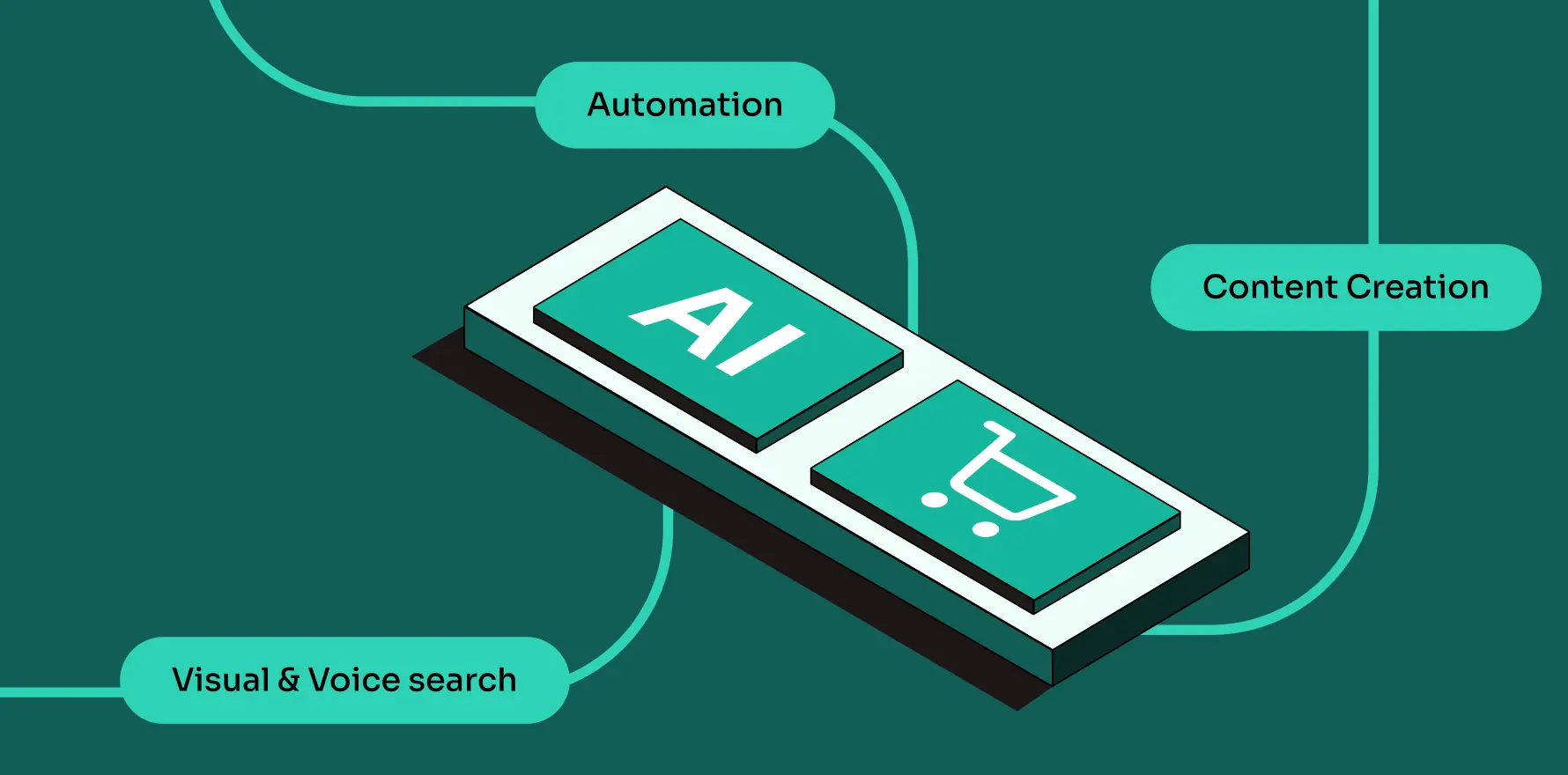
Emerging technologies like AI, AR/VR, and automation are not just enhancing campaigns, they are reshaping how each stage of the funnel contributes to measurable revenue. The marketers winning today are not experimenting with these tools in isolation. They are redesigning their entire funnel around them.
Here’s how that transformation is happening, and where the revenue impact shows up.
Table of Contents
Top of Funnel: AI Is Replacing Generic Awareness With Precision Entry Points
Top-of-funnel marketing used to prioritize reach. More impressions, more clicks, more traffic. But AI-powered systems have shifted the focus from volume to precision.
In 2026, AI analyzes behavioral data, search intent, past engagement, and contextual signals to personalize content in real time. Instead of broadcasting the same message to everyone, brands dynamically tailor messaging based on user signals.
This has two major implications. First, engagement rates increase because content feels relevant. Second, and more importantly, lead quality improves.
Better entry points mean the people entering your funnel are closer to intent. That reduces wasted ad spend and lowers customer acquisition cost (CAC), especially when backed by a structured performance marketing strategy.
Revenue Impact: When awareness is targeted, downstream conversion rates improve. Instead of optimizing for traffic, you optimize for revenue-qualified visitors.
What Teams Should Do Now
- Audit whether acquisition campaigns are optimized for impressions or revenue-qualified leads.
- Ensure AI tools are connected to CRM and sales outcome data, not just engagement metrics.
- Shift budget from broad targeting to high-intent audience segmentation.
- Align top-of-funnel KPIs with pipeline contribution, not just traffic growth.
Mid-Funnel: Predictive Intelligence Is Redefining Qualification
Mid-funnel has historically been the most inefficient stage. Leads enter, but sales teams struggle to prioritize or personalize outreach.
AI-driven predictive lead scoring is changing that.
Instead of relying on static scoring models (e.g., downloaded an ebook = 10 points), AI evaluates behavioral patterns across channels. It identifies which prospects are most likely to convert based on historical deal data.
The result is smarter prioritization.
Sales teams spend more time on high-probability accounts. Marketing nurtures lower-intent leads automatically. Messaging adapts based on predicted buying stage.
This doesn’t just improve conversion rates, it compresses sales cycles.
Revenue Impact: Higher win rates + shorter deal cycles = faster revenue realization and improved marketing ROI.
In competitive markets, speed alone can become a revenue advantage.
What Teams Should Do Now
- Review whether your current lead scoring model is static or AI-driven.
- Align marketing and sales on what defines a revenue-qualified lead.
- Measure sales cycle length before and after predictive prioritization.
- Tie mid-funnel performance metrics directly to revenue velocity.
Bottom of Funnel: AR/VR Is Reducing Purchase Hesitation
At the decision stage, hesitation often comes from uncertainty. Will the product fit? Will it work? Will it justify the investment?
This is where immersive technology is transforming buyer confidence.
AR and VR are no longer novelty tools. In ecommerce, AR allows customers to visualize products in real-world environments before purchasing. In B2B, immersive product demos and virtual walkthroughs enable stakeholders to experience solutions before committing.
The psychological shift is powerful. Visualization reduces perceived risk.
When buyers can “see” the outcome, objections decrease.
This is especially impactful for high-ticket products or complex solutions, where hesitation costs revenue.
Revenue Impact: Reduced friction at the final decision stage increases close rates and average order value. Immersive experiences convert intent into revenue more efficiently.
What Teams Should Do Now
- Identify high-friction decision points in your sales process.
- Pilot immersive experiences for high-value products or enterprise deals.
- Track close-rate changes where immersive elements are introduced.
- Evaluate ROI not just in engagement, but in deal acceleration and deal size.
Post-Purchase: Automation Is Turning Retention Into a Growth Engine
The funnel does not end at purchase. In 2026, the real revenue multiplier lies in retention and expansion.
Marketing automation has matured beyond simple email sequences. Now, it integrates behavioral triggers, usage data, predictive churn modeling, and cross-channel personalization.
If a user shows signs of disengagement, automation triggers targeted re-engagement campaigns. If usage spikes, upsell offers are presented at the optimal moment. If onboarding stalls, guided interventions activate.
The result is higher lifetime value (LTV).
Retention improvements compound over time. Even small increases in retention rates can generate outsized revenue growth compared to acquisition-focused strategies.
Revenue Impact: Automation shifts marketing from transactional growth to compounding revenue systems.
What Teams Should Do Now
- Define your key activation milestone and measure time-to-value.
- Implement churn prediction models based on behavior signals.
- Align retention campaigns with lifetime value goals.
- Reallocate a portion of acquisition budget toward lifecycle automation.
The Real Shift: From Campaigns to Revenue Systems
The biggest transformation in 2026 isn’t the tools themselves. It’s how they integrate.
AI drives smarter acquisition.
Predictive models refine qualification.
Immersive tech reduces friction.
Automation increases retention.
When connected, these technologies create a continuous feedback loop. Data from retention informs acquisition targeting. Sales insights refine predictive models. Immersive engagement data strengthens personalization.
The funnel stops being linear. It becomes a revenue engine.
And that is the key shift: emerging technologies are not separate tactics. They are infrastructure for revenue optimization.
Businesses that want to operationalize this shift often invest in integrated digital marketing services that align technology, strategy, and performance into one unified revenue system.
What Teams Should Do Now
- Map your current tech stack to the full revenue journey.
- Eliminate data silos between marketing, sales, and customer success.
- Establish shared revenue KPIs across departments.
- Shift reporting from campaign metrics to revenue system performance.
What This Means for Marketers in 2026
Adopting AI, AR/VR, or automation individually will not create transformation.
The advantage lies in alignment.
- Are your AI insights influencing creative strategy?
- Is predictive scoring aligned with sales incentives?
- Are immersive experiences placed at high-friction decision points?
- Is automation tied to lifetime value goals?
Technology without revenue alignment is experimentation.
Technology aligned to funnel economics is growth.
Final Thought
In 2026, marketing success is no longer defined by visibility alone. It is defined by how intelligently technology moves prospects from awareness to advocacy, and how efficiently each stage converts into revenue.
Author Bio
Ankur Sharma is the CEO of Brandshark, a creative full-suite digital marketing agency, where he helps brands leverage emerging technologies like AI, automation, and data intelligence to build scalable marketing systems. With deep experience in performance marketing and growth strategy, Ankur focuses on aligning creativity and technology to create measurable, revenue-driven impact.