







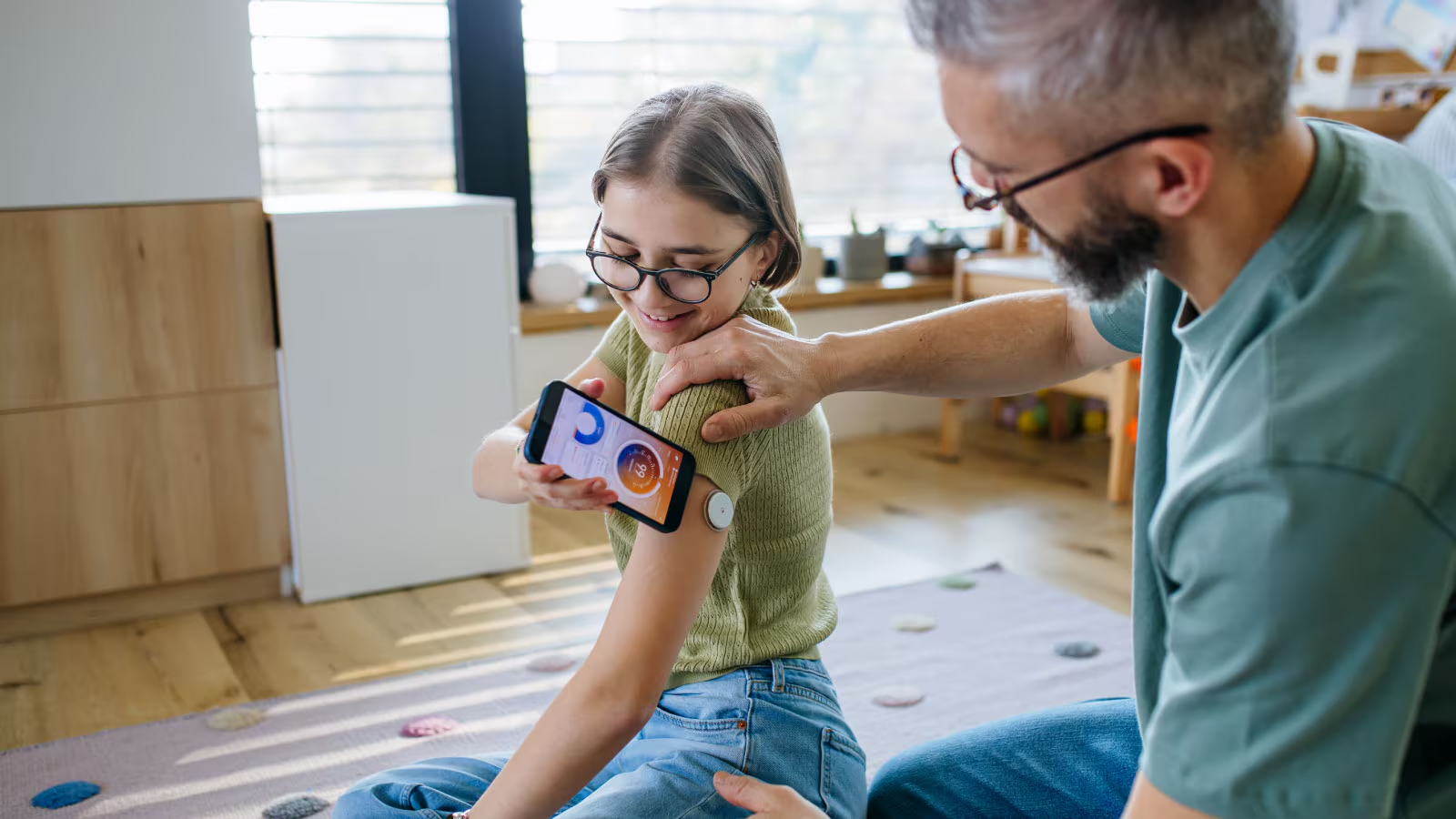
Pharmaceutical marketing in 2026 is being redefined by a fundamental shift: digital technologies are now not just tools but the default mode of engagement, while trust, transparency, and meaningful human connection are the strategic differentiators that determine success. Industry leaders across pharma and healthcare marketing emphasize a dual imperative — digital-first strategies coupled with trust-led practices — driven by evolving consumer expectations, regulatory scrutiny, and heightened demand for relevance and value.
This article explores the landscape of pharma marketing in 2026, unpacking the trends, challenges, strategic pivots, and future directions that are transforming one of the most regulated and impactful industries in the world.
Table of Contents
1. From Awareness to Engagement: The Rise of Digital-First Strategies
1.1 Digital Dominance With Depth and Precision
Digital is no longer optional in pharmaceutical marketing — it’s essential. By 2026, digital channels dominate marketing budgets and engagement strategies, with precise targeting, contextual relevance, and measurable outcomes replacing broad-based advertising. Digital media’s projected growth underscores this shift: digital ad spends are expected to account for 70% of total pharma advertising, driven by performance-led channels and personalized content delivery online.
Platforms such as social media, search engines, online video, and digital health communities enable pharma brands to engage both healthcare professionals (HCPs) and patients with relevant, timely, and value-added content that meets audiences where they already spend time.
1.2 Precision Over Push
Unlike traditional mass campaigns, digital strategies in 2026 emphasize personalization and contextual engagement. This approach is effective across both HCP and consumer segments — from targeted scientific content delivered to specialists, to patient-centric education tailored to health journeys. Advanced contextual targeting and real-time optimization ensure that messaging meets individuals’ needs at the right time and right place, improving engagement and reducing noise.
1.3 Omnichannel Connectivity
Omnichannel integration — blending email, social, search, webinars, and digital tools — is no longer a buzzword but a practical requirement. Marketers integrate digital touchpoints with offline channels, creating cohesive journeys for physicians and patients. Consistent experience across platforms enhances credibility and reinforces brand trust.
2. Trust as the New Currency
2.1 Patients Are Informed Consumers
Today’s patients actively seek health information, compare treatments, and evaluate risks well before consulting a clinician. This has shifted the marketing focus from awareness-centric advertising to value-led engagement — content that teaches, supports, and empowers rather than sells. Pharma brands that embrace transparency and accuracy in all messaging foster lasting trust.
2.2 Emotional Resonance With Healthcare Professionals
HCPs, too, are recalibrating how they receive and respond to marketing. In-clinic and digital communications now prioritize emotional resonance and relevance over dry scientific monologues. Engaging content formats — including short videos, expert interviews, and interactive educational tools — help bridge the gap between clinical evidence and human experience.
2.3 Regulatory Scrutiny Drives Responsible Communication
Heightened regulatory vigilance on pharmaceutical advertising, amplified by enforcement actions like increased FDA oversight of promotional practices, highlights compliance’s role in building trust and avoiding reputational risk. In this context, responsible marketing is not just ethical, it’s strategic.
Stricter compliance frameworks are reshaping how pharma marketers approach digital engagement, especially around claims, risk disclosures, and influencer partnerships — ensuring that trust is not sacrificed for reach.
3. The Central Role of AI and Advanced Analytics
3.1 From Insight to Impact
AI and predictive analytics have moved from pilot projects to integral parts of marketing strategies. They enable marketers to anticipate audience needs, optimize campaigns in real time, and gain deep insights into engagement patterns. Predictive models forecast prescription trends, content relevance, and optimal delivery channels, improving efficiency and personalization.
3.2 Enhancing Personalization Responsibly
AI enables personalized content at scale without compromising compliance or trust. For example, chatbots can deliver tailored responses to health questions, while AI-driven segmentation identifies the most relevant messaging for diverse audience segments — from neurologists to diabetes patients.
3.3 Human Oversight as an Ethical Guardrail
Leaders emphasize that AI should enhance — not replace — human expertise. Due to the high-stakes nature of healthcare, responsible usage demands medical oversight, ethical standards, and compliance checks to ensure that AI-driven recommendations remain accurate and patient-centric.
4. Patient-Centric Content: Education Before Promotion
4.1 Value-Driven Messaging
In 2026, patient education is central to effective marketing. Content spans preventive care insights, disease understanding, treatment options, and therapy management — delivered in accessible language and formats that resonate. This shift from product promotion to patient support reinforces trust and positions brands as health partners rather than vendors.
4.2 Real Stories and Community Support
Authentic patient stories and community-based campaigns foster emotional connection and credibility. These narratives validate real experiences, destigmatize conditions, and reinforce the message that the brand understands patient needs — beyond selling drugs.
4.3 Continuous Digital Education Tools
Interactive tools, quizzes, webinars, and digital health trackers help patients engage actively with their care. These resources empower individuals to make informed health decisions and encourage adherence to treatment plans — translating digital engagement into real health outcomes.
5. Healthcare Professional Engagement: Educate, Don’t Interrupt
5.1 Knowledge-First Interactions
Physician engagement strategies now prioritize scientific credibility and educational value. Digital medical education platforms, virtual conferences, and remote CME sessions deliver high-quality, evidence-based insights that respect physicians’ time and deepen professional trust.
5.2 AI-Augmented HCP Outreach
CRM systems integrated with analytics identify the right content for the right clinician at the right time. This enables personalized engagement paths — from oncology specialists to general practitioners — based on their specialty, interests, and digital behavior.
5.3 Influencers With Clinical Credibility
Industry leaders caution against influencer marketing that prioritizes reach over credibility. In healthcare, clinicians and verified experts represent the most authentic voices — driving engagement that is trusted because it’s informed by real clinical experience.
6. Compliance, Ethics, and the Regulatory Landscape
6.1 Advertising Standards and Enforcement
National regulators are tightening pharmaceutical advertising oversight — emphasizing transparent disclosures, balanced risk-benefit communication, and accurate clinical claims. These enforcement shifts reinforce that compliance is not a constraint, but a foundation for long-term trust and market access.
6.2 Disclosure and Consent Protocols
Digital engagement must respect privacy laws and consent standards. Clear disclosures, opt-in mechanisms, and transparent data usage improve authenticity and align with patients’ expectations of control over their health information.
6.3 Ethical Storytelling Over Persuasion
Ethical narratives emphasize shared decision-making and informed choice rather than promotional persuasion. This mindset shift reduces skepticism and enhances credibility with both physicians and patients alike.
7. Challenges Along the Digital-Trust Continuum
7.1 Balancing Personalization and Privacy
While personalized digital engagement boosts relevance, it also raises valid privacy concerns. Pharma marketers must balance data-driven strategies with robust safeguards, transparent consent workflows, and an unwavering commitment to ethical data use.
7.2 Regulatory Complexity Across Regions
Multinational pharma brands must navigate varying regulations across markets, from stringent US FDA requirements to diverse rules in Europe, Asia, and elsewhere — demanding agile compliance frameworks and adaptable marketing workflows.
7.3 Sustaining Human Connection in a Digital World
The digital-first era risks depersonalization if over-automation replaces meaningful human interaction. Industry leaders emphasize that technology should enhance real empathy and quality communication, not replace it.
8. The Road Ahead: Strategic Imperatives for 2027 and Beyond
8.1 Continuous Learning and Hybrid Strategies
Successful pharma marketing in 2027 will continue blending digital dominance with trusted traditional elements — such as physician field engagement and community outreach — to create harmonized experiences.
8.2 Real-World Evidence and Clinical Value Communications
Brands will increasingly use real-world evidence (RWE) to communicate long-term, population-level outcomes — reinforcing trust through data that resonates beyond clinical trial settings.
8.3 Immersive and Interactive Technologies
AR, VR, and digital education environments will enhance engagement, allowing physicians and patients to interact with therapeutic concepts in immersive, meaningful ways that deepen understanding and break down barriers to comprehension.
8.4 AI-Enhanced Creativity and Compliance
AI will continue transforming campaign optimization, testing, and insights generation — but the most successful marketers will prioritize ethical AI usage, human judgment, and strategic creativity.
Conclusion: Digital First, Trust Always
Pharma marketing in 2026 is unambiguously digital-first, yet the defining trend is trust-led engagement — a shift that marries technological innovation with ethical responsibility, patient education with professional respect, and personalization with privacy. Brands that master this balance will thrive in an environment where audiences are informed, skeptical, and seeking genuine value beyond promotion.
FAQs: Pharma Marketing in 2026
Q1. What does “digital-first but trust-led” mean in pharma marketing?
It means marketing strategies prioritize digital channels for reach and engagement but center around trust — through transparent, ethical, educational, and patient-centric communication — rather than purely promotional messaging.
Q2. Why is trust important in pharmaceutical marketing?
Healthcare decisions impact lives. Trust ensures patients and clinicians view marketing communications as credible, informative, and supportive — reducing skepticism and improving long-term relationships.
Q3. How is AI changing pharma marketing?
AI enables advanced personalization, predictive insights, content optimization, and real-time campaign management — but ethical oversight and compliance remain essential due to the sensitive nature of healthcare communication.
Q4. What role does compliance play in digital pharma campaigns?
Compliance ensures that marketing messages adhere to legal and ethical standards, with accurate risk disclosures and transparent claims — reinforcing trust and minimizing regulatory risk.
Q5. How are patient expectations influencing marketing trends?
Patients now seek education, autonomy, and experience-based support. Pharma brands are responding with value-led digital content, interactive tools, and personalized engagement over traditional one-way promotion.