






Raising explorers is about more than collecting passport stamps. It is about nurturing curiosity, confidence, and empathy through experiences that shape how children see the world. Travel invites kids to step outside routine and discover new places, people, and ideas. When families travel together with intention, children gain lessons that last far beyond the journey itself. This article explores how meaningful travel experiences help raise adventurous learners and create memories kids never forget.
Table of Contents
Why Travel Shapes Curious Minds
Travel introduces children to real world learning in a way no classroom can fully replicate. Every destination becomes a living lesson filled with sights, sounds, and stories.
Cognitive Growth Through Experience
When kids explore new environments, their brains work harder to process unfamiliar information. Navigating a foreign city, hearing another language, or understanding a different currency encourages problem solving and flexible thinking. These moments build strong cognitive connections because learning happens through direct experience. Children remember the taste of a local dish or the layout of an ancient street far longer than facts memorized from a book.
Emotional Resilience and Confidence
Travel also teaches emotional skills. Delayed trains, unexpected weather, or cultural misunderstandings help children practice patience and adaptability. When kids overcome small challenges on the road, they develop confidence in their ability to handle change. This resilience often carries into daily life, helping them face school and social challenges with greater calm.
Choosing Destinations That Spark Wonder
Not every trip needs to be far or expensive to be meanin
ful. The key is choosing places that invite exploration and engagement.
Nature Focused Adventures
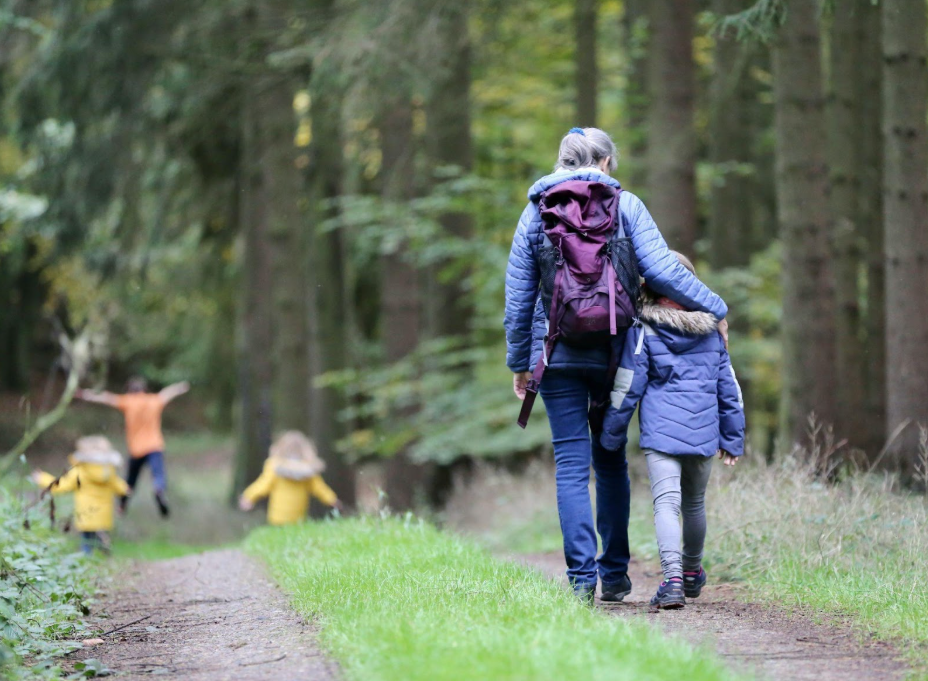
National parks, beaches, forests, and mountains provide endless opportunities for discovery. Hiking trails, wildlife spotting, and stargazing encourage children to observe closely and ask questions. Nature based travel also promotes physical activity and a sense of stewardship for the planet. Simple moments like skipping stones or identifying bird calls can become cherished memories.
Cultural Immersion in Cities
Cities rich in history and culture offer a different kind of wonder. Visiting markets, festivals, and historic neighborhoods allows kids to see how people live in different parts of the world. Museums designed for families and open air performances make culture accessible and fun. Even a short city trip can broaden a child’s perspective and appreciation for diversity.
Planning Kid Centered Adventures
Successful family travel balances structure with flexibility. Thoughtful planning helps ensure that kids remain engaged and comfortable throughout the journey.
Pace, Routine, and Downtime
Children experience travel more positively when days are not overpacked. Building in downtime for rest or free play helps prevent burnout. Maintaining familiar routines such as regular meal times or bedtime rituals can also provide comfort. A relaxed pace allows kids to absorb their surroundings and enjoy spontaneous moments of discovery.
Safety and Health Considerations
Feeling safe allows children to fully enjoy travel. Parents should involve kids in basic safety awareness, such as recognizing landmarks or knowing how to ask for help. Health planning is equally important, especially in destinations where clean water access may differ. For coastal or remote trips, families sometimes research options like Sea water Filters to understand how local communities manage water resources and to spark conversations about environmental challenges.
Learning Through Play on the Road
Play is a powerful learning tool, and travel naturally invites playful exploration.
Museums and Hands On Experiences
Interactive museums, science centers, and cultural workshops turn education into an adventure. Cooking classes, art studios, and archaeology sites allow kids to participate rather than observe. These experiences make learning personal and memorable, helping children connect abstract concepts to real life activities.
Outdoor Challenges and Exploration
Outdoor play while traveling builds both physical and mental skills. Kayaking, cycling, or simple scavenger hunts encourage teamwork and perseverance. Even navigating a new park or beach becomes an exercise in observation and decision making. These playful challenges often become the stories kids retell long after the trip ends.
Capturing Memories That Last
Memories grow stronger when children actively reflect on their experiences. Simple creative practices help turn moments into lasting stories.
Journaling and Storytelling
Encouraging kids to keep a travel journal helps them process what they see and feel. Younger children can draw pictures, while older kids may enjoy writing short stories or lists of favorite moments. Sharing these reflections as a family strengthens communication and helps children value their own perspectives.
Photography and Creative Projects
Giving kids a camera or phone to document their journey empowers them to see the world through their own lens. Photo challenges such as capturing colors, patterns, or emotions can sharpen observation skills. Back home, creating scrapbooks or digital slideshows allows families to relive adventures together.
Making Travel Accessible and Sustainable
Raising explorers does not require luxury travel. It requires intention, creativity, and respect for the places visited.
Budget Friendly Travel Strategies
Road trips, local getaways, and off season travel can be just as enriching as international journeys. Staying with friends, choosing family friendly accommodations, or cooking some meals while traveling helps manage costs. These approaches teach children that meaningful experiences are not defined by price.
Teaching Responsible Travel Values
Travel offers a chance to model respect for cultures and environments. Kids can learn to support local businesses, reduce waste, and treat natural spaces with care. Discussing these values openly helps children understand their role as thoughtful global citizens.