







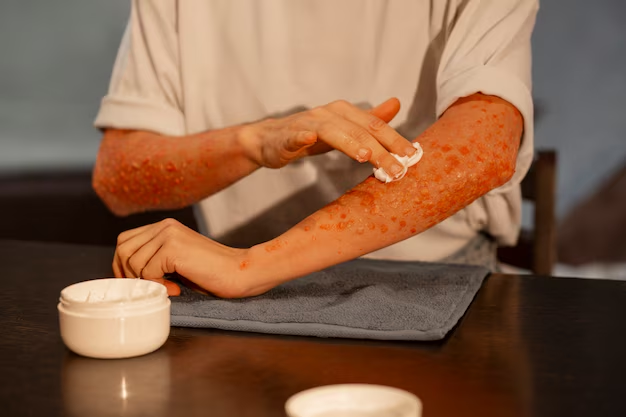
Vitiligo is more than a skin condition—it is an emotional, psychological, and social challenge for millions of people worldwide. Characterized by the loss of skin pigmentation, vitiligo affects individuals regardless of age, gender, or ethnicity. While it is not physically painful or life-threatening, its visible nature often leads to stigma, reduced self-esteem, and emotional distress.
Over the years, medical science has made progress in understanding vitiligo, yet treatment options remain limited, inconsistent, and often accompanied by side effects. This gap has driven the search for safer, more effective, and more holistic solutions.
Vitilinox emerges as a promising innovation in this space—a natural, science-driven approach designed to support vitiligo care with renewed hope. Blending advancements in dermatological research with nature-inspired formulations, Vitilinox represents a shift toward gentler, more sustainable vitiligo management.
This comprehensive article explores what Vitilinox is, how it works, the science behind it, its potential benefits, limitations, and the hope it brings to vitiligo care.
Table of Contents
Understanding Vitiligo: A Complex Skin Condition
What Is Vitiligo?
Vitiligo is a chronic skin disorder characterized by the loss of melanocytes, the cells responsible for producing melanin—the pigment that gives skin, hair, and eyes their color. When melanocytes stop functioning or die, white or light patches appear on the skin.
Vitiligo is classified as:
Non-contagious
Autoimmune-related
Progressive or stable, depending on the individual
Types of Vitiligo
Non-Segmental Vitiligo (NSV)
Most common form
Symmetrical patches on both sides of the body
Segmental Vitiligo (SV)
Affects one side or segment of the body
Often begins at an early age
Generalized Vitiligo
Widespread depigmentation
Focal Vitiligo
Limited to a few small areas
Universal Vitiligo
Rare
Loss of pigment on most of the body
Causes of Vitiligo
Vitiligo does not have a single cause. Research suggests a combination of factors:
Autoimmune response (body attacks its own melanocytes)
Genetic predisposition
Oxidative stress
Neural factors
Environmental triggers
This complexity is one reason vitiligo is so difficult to treat effectively.
Traditional Vitiligo Treatments and Their Limitations
Common Medical Approaches
Topical Corticosteroids
Reduce inflammation
Risk of skin thinning with long-term use
Calcineurin Inhibitors
Used on sensitive areas
Variable effectiveness
Phototherapy (UVB)
Stimulates melanocyte activity
Time-consuming and costly
Surgical Options
Skin grafting or melanocyte transplantation
Suitable only for stable vitiligo
Limitations of Conventional Treatments
Inconsistent results
Potential side effects
Not suitable for all skin types
High cost and long treatment duration
These challenges have fueled interest in natural and supportive alternatives like Vitilinox.
What Is Vitilinox?
Vitilinox is a natural, dermatology-inspired innovation designed to support vitiligo care by addressing underlying biological and environmental factors associated with depigmentation.
Rather than promising an instant cure, Vitilinox focuses on:
Supporting melanocyte function
Reducing oxidative stress
Enhancing skin health
Promoting gradual repigmentation
It represents a science-meets-nature approach to vitiligo management.
The Philosophy Behind Vitilinox
Vitilinox is built on three core principles:
1. Skin Biology First
Understanding melanocyte health and immune balance is essential for meaningful progress.
2. Nature-Inspired Formulation
Leveraging botanical and naturally derived compounds known for skin-supportive properties.
3. Long-Term Skin Wellness
Focusing on consistency, safety, and sustainable results rather than quick fixes.
Key Ingredients and Their Role in Vitiligo Care
(Ingredient composition may vary by formulation; the following represents commonly researched components in Vitilinox-style innovations.)
1. Antioxidant Complex
Oxidative stress is a known contributor to melanocyte damage.
Benefits:
Neutralizes free radicals
Protects melanocytes
Supports skin repair mechanisms
2. Herbal Extracts
Plant-based compounds are often used for their soothing and restorative properties.
Potential benefits include:
Improved microcirculation
Reduced inflammation
Enhanced skin resilience
3. Natural Melanin Supporters
Certain nutrients and botanical compounds may help:
Stimulate melanin synthesis
Support melanocyte migration
4. Skin Barrier Enhancers
Healthy skin absorbs treatments better.
Benefits:
Improved hydration
Reduced irritation
Strengthened skin barrier
How Vitilinox Works: A Step-by-Step Approach
Step 1: Protecting Melanocytes
Antioxidants reduce oxidative damage, one of the main contributors to melanocyte loss.
Step 2: Supporting Immune Balance
Natural anti-inflammatory components may help calm immune-related triggers.
Step 3: Encouraging Repigmentation
By improving the skin environment, Vitilinox supports conditions where melanocytes can function more effectively.
Step 4: Long-Term Skin Health
Consistent use promotes healthier skin texture, tone, and resilience.
Vitilinox and Scientific Research
The Role of Oxidative Stress in Vitiligo
Studies show that vitiligo-affected skin has:
Higher hydrogen peroxide levels
Reduced antioxidant defenses
Vitilinox aligns with research emphasizing oxidative stress reduction as a supportive strategy.
Immune System Modulation
Vitiligo is strongly linked to autoimmune activity. Natural formulations aim to:
Support immune balance
Reduce inflammatory signaling
Melanocyte Regeneration Research
Emerging studies suggest melanocyte reservoirs exist in hair follicles, offering potential for repigmentation under the right conditions.
Vitilinox-based approaches focus on creating those conditions.
Benefits of Vitilinox
1. Gentle and Skin-Friendly
Suitable for long-term use with minimal irritation.
2. Holistic Support
Addresses multiple contributing factors, not just symptoms.
3. Compatible with Other Treatments
Can often be used alongside phototherapy or dermatologist-recommended care (with guidance).
4. Psychological Impact
Improved skin appearance can positively affect confidence and emotional well-being.
Who Can Use Vitilinox?
Vitilinox may be suitable for:
Adults with stable or progressive vitiligo
Individuals seeking natural support
Those sensitive to strong medications
Not recommended without medical advice for:
Pregnant or breastfeeding individuals
Children
People with severe skin conditions
How to Use Vitilinox Effectively
Consistency Is Key
Vitiligo management requires patience. Results may take weeks or months.
Sun Exposure Awareness
Controlled sun exposure may support repigmentation but must be balanced to avoid damage.
Healthy Lifestyle Support
Diet, stress management, and sleep play important roles in skin health.
Vitilinox vs Conventional Treatments
| Feature | Conventional Treatments | Vitilinox |
|---|---|---|
| Approach | Symptom-focused | Holistic |
| Ingredients | Synthetic | Nature-inspired |
| Side Effects | Possible | Minimal |
| Long-Term Use | Limited | Designed for long-term |
| Cost | Often high | Generally accessible |
Limitations and Realistic Expectations
Vitilinox is not a guaranteed cure. Important considerations:
Results vary by individual
Best outcomes with early or stable vitiligo
Requires patience and consistency
Managing expectations is crucial for emotional well-being.
The Emotional Side of Vitiligo and the Role of Hope
Vitiligo affects self-image, social interactions, and mental health. Innovations like Vitilinox bring more than physical benefits—they offer hope.
Feeling empowered and supported can significantly impact treatment adherence and quality of life.
Future of Vitiligo Care and Vitilinox
1. Personalized Dermatology
Tailored formulations based on genetics and skin type.
2. Combination Therapies
Natural innovations paired with medical treatments.
3. AI and Skin Diagnostics
Tracking progress and optimizing care plans.
4. Increased Awareness and Acceptance
Reducing stigma while improving treatment options.
Vitilinox represents a step toward a more compassionate and comprehensive approach to vitiligo care.
FAQs About Vitilinox
Q1: Is Vitilinox a cure for vitiligo?
No. Vitilinox is a supportive care innovation, not a medical cure.
Q2: How long does it take to see results?
Results vary, but visible changes may take several weeks to months.
Q3: Can Vitilinox be used with phototherapy?
Often yes, but always consult a dermatologist.
Q4: Is Vitilinox safe for sensitive skin?
It is designed to be gentle, but a patch test is recommended.
Q5: Does Vitilinox work for all types of vitiligo?
It may be more effective for early-stage or stable vitiligo.
Q6: Are the results permanent?
Vitiligo is a chronic condition; ongoing care is often necessary.
Conclusion
Vitiligo remains one of the most challenging dermatological conditions, not because it threatens life, but because it deeply affects identity and confidence. Vitilinox represents a meaningful shift in vitiligo care—one that blends scientific understanding with nature-inspired support and emotional hope.
By focusing on skin health, melanocyte support, and immune balance, Vitilinox offers a gentler, more holistic path forward. While not a cure, it symbolizes progress, compassion, and the growing belief that vitiligo care can be both effective and humane.
As research advances and awareness grows, innovations like Vitilinox bring us closer to a future where vitiligo is not feared—but understood, supported, and managed with dignity.