




In a world where fashion brands often need to balance affordability with quality, KIABI has carved a unique place for itself. Founded in 1978 in France, KIABI pioneered the concept of stylish and affordable fashion for the entire family, long before budget fashion became a global retail trend.
Fast forward to 2026, and KIABI has firmly established itself as one of the most loved budget fashion brands in the world — attracting customers of all ages and backgrounds with its blend of price, style, sustainability, and accessibility. But what exactly is behind its rapid growth and popularity? This comprehensive article explores the journey, strategies, innovations, and cultural resonance that have made KIABI a favorite worldwide.
Table of Contents
1. The Origins of KIABI: Affordable Fashion for All
When KIABI opened its first store in Roncq, northern France in 1978, its mission was simple yet revolutionary — offer affordable ready-to-wear fashion for families. �starting for inclusive styles for women, men, teens, and children, the brand made quality clothing accessible at prices that everyday households could manage.
This “family fashion” ethos remains core to its identity today. KIABI’s original mission — “Always more for families” — still drives decisions around design, pricing, and expansion.
1.1 Designed in France with a Global Vision
One key to KIABI’s success has been its commitment to French design sensibilities. Collections are created by in-house stylists based in France, drawing on global fashion trends while keeping clothing functional, wearable, and relevant across cultures.
Over time, this fusion of European style and mass-market pricing became a winning formula — appealing not just in Europe but increasingly across Asia, the Middle East, Africa, and beyond.
2. Affordable Fashion Without Compromise
2.1 Products for Every Member of the Family
Unlike many fast fashion retailers that focus only on specific demographics, KIABI caters to everyone — from newborns and toddlers to adults and seniors. It also includes plus-size and maternity options, ensuring inclusivity across body types and life stages.
This breadth of styles — spanning everyday wear, work outfits, casual athleisure, and seasonal collections — makes KIABI a one-stop wardrobe solution, helping it gain loyalty from multi-generation families.
2.2 Value-Driven Prices That Still Reflect Quality
While consumers increasingly prioritize price, they also demand quality that lasts. KIABI’s strategy focuses on efficient production, smart supply chain management, and thoughtful material sourcing so that garments stay affordable while remaining comfortable and durable.
By cutting out unnecessary middlemen and optimizing manufacturing processes, KIABI keeps price tags down without sacrificing design or functionality.
3. Sustainable and Inclusive Fashion: A Brand for the Future
3.1 Sustainability is More Than a Buzzword
In 2026, sustainability isn’t optional — and KIABI understands that. The company’s “Acts For a Better World” initiative outlines steps to make fashion more eco-responsible, from using recycled or organic materials to improving manufacturing processes.
By 2025, KIABI pledged that 100% of its textiles will contain materials with lower environmental impact, including organic or recycled fibers. This move resonates with younger customers who look for brands aligned with environmental values.
3.2 Inclusivity as a Core Value
Unlike conventional budget brands that might focus only on mainstream styles, KIABI embraces inclusive fashion, offering extended size ranges and designs for diverse body shapes and needs — a key reason many shoppers feel seen and represented by the brand.
4. Retail Expansion and International Growth
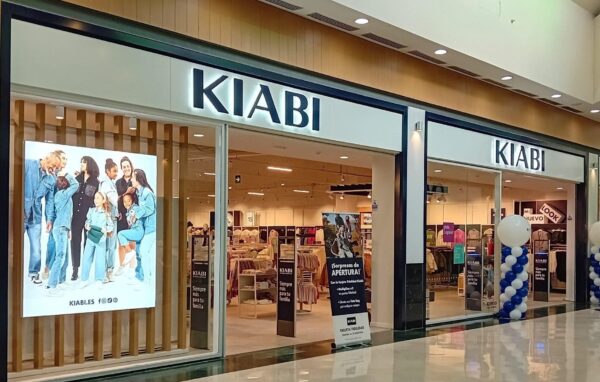
KIABI’s expansion is a major factor in its 2026 success. From its humble beginnings in France, the company now operates in over 33 countries with nearly 600 retail stores across Europe, Asia, and Africa.
4.1 New Store Openings and Global Footprint
Recent moves include strategic retail expansion in markets like Greece and layers of presence across Belgium and other European nations, reinforcing brand visibility and customer access in new regions.
4.2 Digital First Strategy in Asia and India
Recognizing the power of e-commerce, KIABI embraced an online-first approach to enter major markets like India, partnering with top platforms like Myntra to reach millions of fashion consumers digitally.
This digital pivot allows KIABI to test the market, tailor product offerings to local preferences, and build brand awareness before committing to physical stores — a smart strategy in high-growth regions.
5. Innovation and Diversification Beyond Clothes
KIABI isn’t just resting on its core apparel business. Already in 2025–2026, the brand has made significant moves:
Second-hand and resale programs that let customers recycle or resell clothes in stores — a bold move toward circular fashion.
New brands and sub-lines such as “Kiabi Home”, toddler footwear (Kitchoun), and B2B customizable clothing under “Wekrew”, expanding the brand ecosystem.
A new unified “K” logo identity that reflects KIABI’s evolution from a simple retailer into a comprehensive, multi-category brand.
These innovations demonstrate a long-term vision to remain relevant, modern, and multi-dimensional — not just a low-cost fashion label, but a lifestyle brand for families and communities.
6. The Power of Localized Strategy
One of KIABI’s standout strengths in 2026 is its understanding of local markets. Whether through online platforms, regional partnerships (like with Myntra in India), or tailored product collections suited to local tastes and climate — KIABI has mastered global reach with localized execution.
This approach has helped the brand compete with both high-end labels and fast-fashion giants on price and relevance.
7. Why Customers Love KIABI in 2026
7.1 Affordable Pricing Without Sacrificing Style
Consumers today want good style at realistic prices. KIABI succeeds here because it prioritizes trend-inspired but wearable fashion for every age and budget — making fashion accessible to a huge market segment that traditionally lacked options.
7.2 Sustainability That Matters
Shoppers — especially Gen Z and Millennials — increasingly favour brands that care about the planet. KIABI’s transparent sustainability commitments resonate with a growing demographic that wants eco-friendly fashion without premium prices.
7.3 Inclusivity — A Competitive Edge
With inclusive sizes, family-oriented collections, and designs for diverse lifestyles, KIABI doesn’t just sell clothes — it celebrates community and identity.
8. Challenges on the Path Ahead
No brand is without challenges. Some critics note that budget fashion can sometimes be perceived as fast fashion — which raises questions about long-term garment durability and environmental consequences. (Social feedback suggests mixed views on product longevity.)
KIABI’s continued commitment to sustainability and quality will be key to addressing these concerns.
9. What Market Analysts Say
According to retail and fashion analysts, KIABI’s success is rooted in its value proposition, strategic international expansion, and innovation in product and business models. Sales growth into the billions of euros reflects strong core demand and consumer loyalty — even in competitive markets.
Conclusion: KIABI’s Fashion Revolution in 2026
In 2026, KIABI stands out not just as an affordable fashion retailer but as a global phenomenon that reimagines what budget fashion means. Its journey — from a single French outlet to a global network of stores and digital platforms — shows that fashion doesn’t have to be expensive to be loved.
By blending style, sustainability, inclusivity, and accessibility, KIABI is capturing hearts around the world — and it’s poised to continue reshaping the fashion industry for years to come.
Frequently Asked Questions (FAQs)
Q1: What makes KIABI different from other budget fashion brands?
A1: KIABI combines French-designed styles for all ages with affordable pricing and a commitment to sustainability and inclusivity — making fashion accessible but still stylish.
Q2: Is KIABI available in India?
A2: Yes — KIABI entered India with a dedicated online presence through Myntra, aiming to reach Indian shoppers with its affordable family fashion collections.
Q3: Is KIABI sustainable?
A3: KIABI has initiatives like using recycled and organic materials, expanding second-hand programs, and reducing environmental impact through smarter manufacturing.
Q4: Does KIABI cater to all sizes?
A4: Yes — KIABI offers inclusive sizing options, including plus sizes and maternity wear, which helps it appeal to a diverse audience.
Q5: How many countries does KIABI operate in?
A5: As of 2026, KIABI operates in 33+ countries worldwide with hundreds of stores and a growing global footprint.