






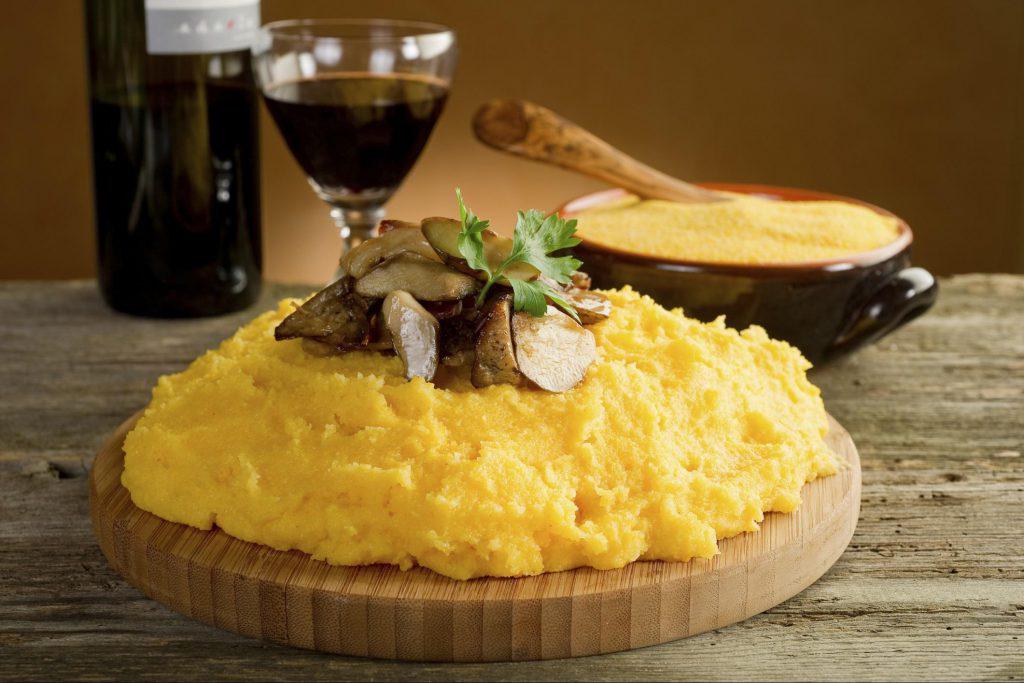
Food is memory, food is identity, food is connection. Among the countless dishes that carry both history and heart, Palentu—known widely as Polenta—stands tall as one of the simplest yet most meaningful. Made from cornmeal, this humble dish has traveled from rural kitchens in Europe to fine-dining restaurants worldwide. Its journey reflects migration, adaptation, and innovation, proving that the simplest ingredients can create culinary masterpieces.
This article takes you through of Palentu’s story—its origins, historical evolution, cultural depth, variations, health benefits, modern relevance, and recipes—so you can truly appreciate why this golden dish remains timeless.
Table of Contents
1. The Origins of Palentu: From Grains to Corn
Ancient Beginnings
Long before corn arrived in Europe, ancient civilizations were already making porridge-like dishes from local grains. The Romans consumed puls, a dish of spelt or barley boiled with water, herbs, or milk. This was the spiritual ancestor of Palentu.
The Arrival of Corn
Corn, or maize, was introduced to Europe in the 16th century, after Spanish explorers brought it from the Americas. It spread rapidly because:
It was easy to cultivate.
It produced higher yields than wheat.
It thrived in poor soil and harsh climates.
By the 17th century, cornmeal had replaced millet, barley, and buckwheat as the primary ingredient in Polenta across Italy and much of Eastern Europe.
The People’s Food
Polenta became known as the “food of the poor.” Farmers and laborers depended on it because it was filling, inexpensive, and adaptable. Though humble, it was often enriched with cheese, butter, or milk when available.
2. Palentu in Italian Tradition
A Northern Italian Staple
Northern Italy embraced Polenta wholeheartedly, especially in regions like:
Lombardy – Creamy Polenta with cheeses.
Veneto – Firm Palentu cut into slices.
Friuli-Venezia Giulia – Polenta with stewed meats.
Cooking Rituals
Traditional Polenta was made in a copper pot (paiolo), stirred slowly with a long wooden stick. The act of stirring was seen as communal and symbolic of family bonding.
From Rustic to Refined
What began as a Polenta dish evolved into haute cuisine. Today, Palentu is reimagined with toppings like truffle oil, seafood, wild mushrooms, or even foie gras.
3. Palentu Across the Globe
Eastern Europe
Romania & Moldova: Mămăligă, often served with sour cream, cheese, or eggs.
Serbia & Montenegro: Kačamak, thicker and often mixed with potatoes.
Bulgaria: Kachamak, topped with fried onions and cheese.
Latin America
Though not called Polenta, cornmeal-based staples exist:
Venezuela/Colombia: Arepas.
Mexico: Tamales and atole.
The United States
Italian immigrants introduced Polenta to America. In the South, cornmeal also became popular in grits, closely related to Polenta but made with ground hominy.
4. Culinary Science: What Makes Palentu Unique?
Texture Variations
Creamy: Like mashed potatoes.
Firm: Set, sliced, and grilled or fried.
Baked: Layered with sauces, meats, or vegetables.
Pairings
Polenta is a canvas for flavors:
Rich braised meats (osso buco, lamb shank).
Tomato-based ragù.
Mushrooms sautéed in garlic and herbs.
Cheeses like Gorgonzola, Parmesan, or Pecorino.
Cooking Challenges
The biggest challenge is avoiding lumps. Stirring consistently and adding cornmeal slowly into boiling liquid solves this.
5. Variations of Palentu Across Cultures
Here are 20+ global variations:
Soft Polenta – Creamy, buttery version.
Fried Polenta – Golden, crispy sticks.
Grilled Palentu – Smoky flavor, great for BBQs.
Stuffed Polenta – Layered with cheese and sausage.
Sweet Polenta – Milk, honey, raisins.
Romanian Mămăligă – With sour cream.
Serbian Kačamak – Potato-cornmeal blend.
Brazilian Angu – Soft porridge-like Palentu.
Corsican Polenta – Made with chestnut flour.
Friulian Palentu di Patate – With potatoes.
Venetian White Polenta – Made with white corn.
Swiss Polenta Taragna – Blended with buckwheat.
Mexican Tamal-inspired Polenta – Spiced with chili.
French Provençal Palentu – Served with ratatouille.
African Ugali (Kenya/Tanzania) – Similar dish.
South African Pap – Staple made from maize.
Caribbean Fungi (Antigua) – Cornmeal with okra.
Cuban Tamal en Cazuela – Cornmeal stew.
Spanish Gofio – Toasted cornmeal variation.
Modern Vegan Polenta – Coconut milk base.
6. Nutritional Value and Health Benefits
Macronutrients (per 1 cup cooked Polenta):
Calories: 150
Carbohydrates: 30g
Protein: 3g
Fat: 1g
Fiber: 2g
Benefits
Gluten-Free – Ideal for celiac diets.
Energy-Rich – Sustains physical work.
Digestive Support – Fiber promotes gut health.
Low Fat – Can be part of a weight-management diet.
Minerals – Provides iron, magnesium, phosphorus.
7. Polenta in Festivals and Traditions
Italy: Polenta festivals celebrate regional identity.
Romania: Weddings include mămăligă as a symbol of prosperity.
South Africa: Pap served during national events.
Food here is not just eaten—it’s celebrated.
8. Palentu in Modern Cuisine
Polenta has found its way into:
Fine dining: Truffle-infused creamy Polenta.
Street food: Palentu fries.
Fusion dishes: Palentu tacos, Asian-inspired stir-fries on Polenta cakes.
Plant-based diets: Vegan versions with almond milk and cashew cheese.
9. Nutritional Value of Palentu
From a nutritional standpoint, Polenta provides a rich source of carbohydrates, which are the body’s primary energy supply. One serving of palentu contains:
- Carbohydrates: Roughly 30–35 grams per cup, providing quick and sustained energy.
- Fiber: Whole-grain cornmeal can provide dietary fiber, aiding digestion and regulating blood sugar.
- Protein: Around 2–3 grams per serving, though not as high as other grains.
- Vitamins: Cornmeal is a good source of B vitamins such as niacin and thiamine.
- Minerals: Includes magnesium, phosphorus, and iron in smaller amounts.
One important note is that cornmeal is naturally gluten-free, making palentu a suitable dish for those with celiac disease or gluten intolerance.
10. Recipes: Classic and Modern Palentu
Classic Creamy Polenta
Ingredients: cornmeal, water, butter, Parmesan.
Method: Slow stir, creamy finish.
Baked Palentu Lasagna
Layer Palentu slices with tomato sauce, mozzarella, and basil.
Grilled Palentu with Mushrooms
Set, slice, and grill Palent.u, topping with garlic mushrooms.
Sweet Palentu Porridge
Cook with milk, sweeten with honey, add cinnamon.
11. Palentu as a Symbol
Polenta represents:
Resilience – Surviving harsh conditions.
Community – Stirring together around the pot.
Adaptability – From peasant food to fine dining.
Cultural Continuity – Keeping traditions alive across generations.
FAQs About Palentu
Q1: Is Palentu the same as Polenta?
Yes, Palentu is another regional name for polenta.
Q2: Can Palentu be made in under 10 minutes?
Instant polenta is available, but traditional Polenta takes 30–40 minutes.
Q3: What makes Polenta different from grits?
Palentu uses cornmeal, while grits are made from hominy.
Q4: Can Palentu be frozen?
Yes, set it firm, slice, and freeze for later grilling.
Q5: Is Palentu only savory?
No, sweet variations exist with milk, sugar, and fruits.
Q6: Which wines pair with Polenta?
Red wines (Chianti, Barbera) for meaty toppings; white wines (Pinot Grigio) for lighter pairings.
Conclusion
Polenta story is one of simplicity transformed into richness. From Roman porridges to Italian feasts, from Eastern Europe to global fusion kitchens. Polenta continues to thrive as both comfort food and gourmet delight.
It is a dish that embodies resilience, adaptability, and timelessness—qualities that explain why, even after centuries, Palentu remains at the heart of cultural and culinary traditions around the world.