







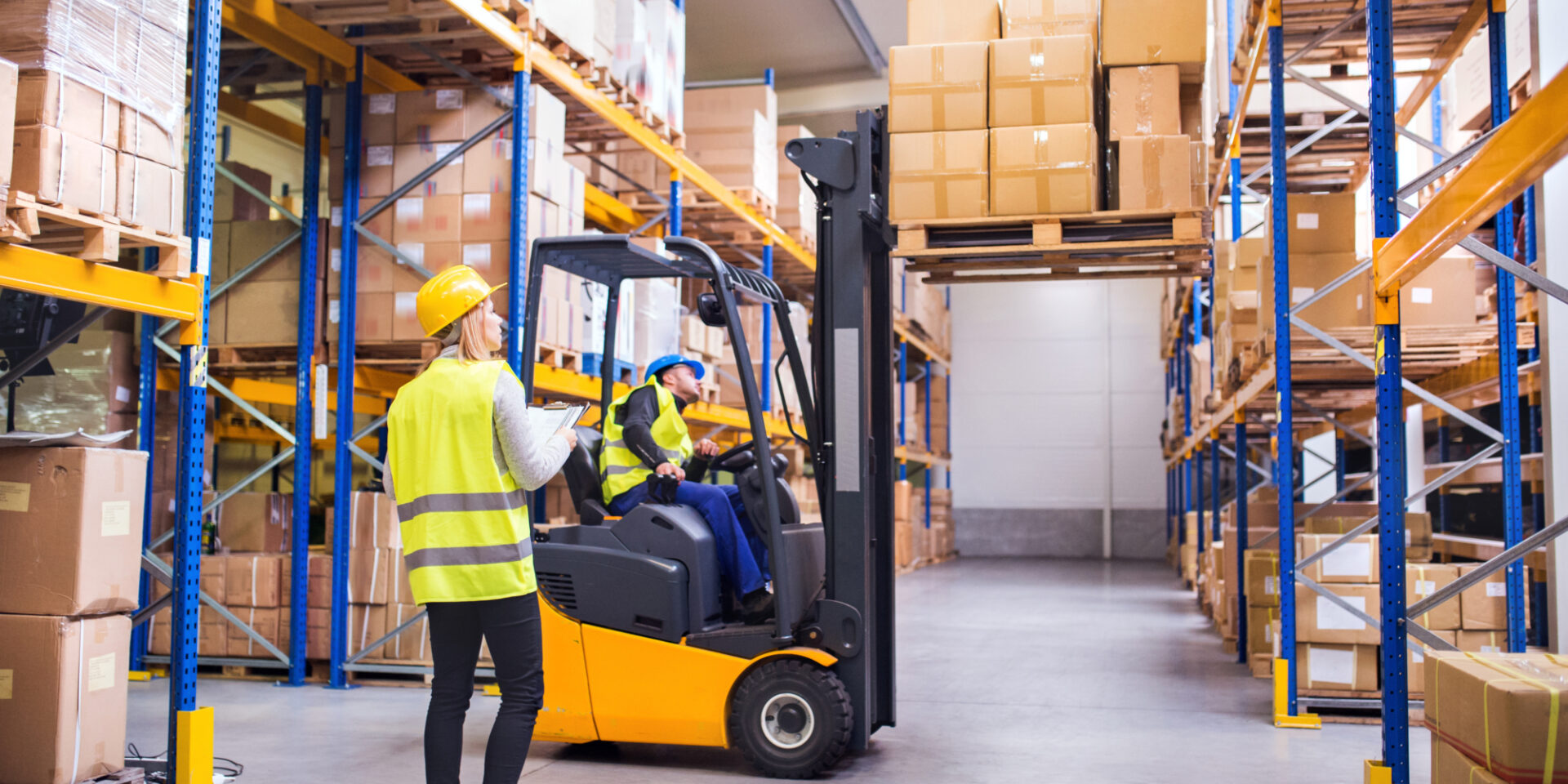
Efficient workplaces rely on the seamless movement of equipment and supplies, and durable casters are the unsung heroes that make this possible. From warehouses to hospitals, robust casters play a crucial role in boosting productivity and safeguarding employees. Their advanced design, featuring resilient polyurethane wheels, enables the equipment to glide swiftly and quietly, reducing disruptions and supporting workflow continuity.
By integrating high-quality casters into workplace solutions, businesses can minimize physical strain on staff while enhancing maneuverability and reducing accidents. Whether it’s transporting heavy machinery across a bustling factory floor or moving medical carts in healthcare settings, investing in superior casters ultimately leads to fewer workplace injuries and greater operational efficiency.
Table of Contents
Enhancing Workplace Efficiency
In environments ranging from manufacturing facilities to office spaces, incorporating durable casters into carts, racks, and equipment significantly accelerates daily tasks. For example, warehouses utilize casters to transport inventory on pallets and carts, which expedites the restocking and order fulfillment process. The ability to move goods swiftly means fewer bottlenecks and faster delivery to customers, boosting overall productivity. Durable casters also adapt to various floor surfaces, ensuring smooth transitions between areas and reducing the need for heavy machinery or manual lifting.
Modern casters, particularly those with resilient wheel materials and sealed bearing systems, are designed to withstand heavy continuous loads while resisting debris and corrosion. Such features support operations in harsh environments and high-traffic areas, helping organizations maintain consistent workflow regardless of daily demands.
Promoting Ergonomics and Safety
The physical demands of moving heavy loads can pose significant risks for workers. Durable casters are engineered to counteract these challenges, facilitating smooth movement and helping to prevent musculoskeletal injuries associated with lifting or pushing. Ergonomic casters often feature smooth swivel actions, shock-absorbing wheels, and tread designs that reduce vibration, all of which contribute to safer and more comfortable workplace conditions.
For additional peace of mind, casters equipped with reliable locking mechanisms keep equipment stationary when needed. This feature helps prevent accidental movement, a frequent cause of workplace accidents, especially in dynamic or crowded environments. According to the U.S. Occupational Safety and Health Administration (OSHA), proactive ergonomic solutions—including the selection of appropriate equipment—dramatically reduce workplace injuries and absenteeism, while also improving morale.
Choosing the Right Casters
Load Capacity Considerations
Selecting the right casters begins with assessing the equipment’s weight requirements. Using casters with insufficient load capacity can lead to breakdowns or hazardous failures. Manufacturers typically rate casters based on maximum weight per wheel, so it’s essential to calculate total load and distribute it evenly.
Wheel Material and Surface Compatibility
The material of the caster wheels must match the work environment. Polyurethane wheels work well on a variety of surfaces, offering quiet rolling and superior resistance to chemicals and abrasion. For uneven or outdoor terrain, extra-wide wheels and spring-loaded shock absorption can provide additional stability and smoother navigation.
Swivel Action and Precision Movement
Swivel casters equipped with precision ball bearings in the hub and pivot allow for effortless turns and directional control. This is especially valuable in confined spaces or where frequent maneuvering is necessary, as it supports both safety and efficiency.
Maintenance and Care
While durable casters are built to last, their performance hinges on routine maintenance. Regularly inspect wheels and bearings for signs of wear, and clean components to remove debris that can hinder movement. Lubricate moving parts according to manufacturer guidelines. For environments where carts and equipment are in constant use, a predictive maintenance system—using sensors to monitor wheel temperature, load, and movement—can detect problems before failures occur.
This proactive approach helps facilities managers avoid unexpected downtime, preserve equipment investments, and protect the safety of workers. Studies by engineering groups consistently show that planned maintenance can exponentially extend the operational life of moving components, such as casters.
Real-World Applications
Durable casters are indispensable in settings that require frequent or heavy movement of equipment. In healthcare, hospital beds and medical carts with locking casters allow staff to move patients and supplies safely, even in emergencies. In industrial environments, modular machinery and workstations on casters enable quick reconfigurations, accommodating shifts in production or project demands without the need for costly renovations or prolonged downtime.
Retail stores benefit from mobile shelving and display units, which make layout changes and restocking efficient and straightforward, minimizing disruption to customers. Institutions such as schools and laboratories rely on rolling carts for secure and agile transport of materials, supporting both teaching and operational agility. The widespread use of casters across diverse industries highlights their versatility and indispensable contribution to workplace effectiveness.
Conclusion
Reliable, high-quality casters are fundamental to modern workspaces, offering measurable advantages in efficiency, safety, and ergonomic well-being. By making the right caster choices and committing to regular upkeep, businesses set the stage for higher productivity, fewer workplace injuries, and lower operational costs. As technology advances, innovations in caster design will continue to play a crucial role in empowering teams and streamlining workflows across all sectors.