







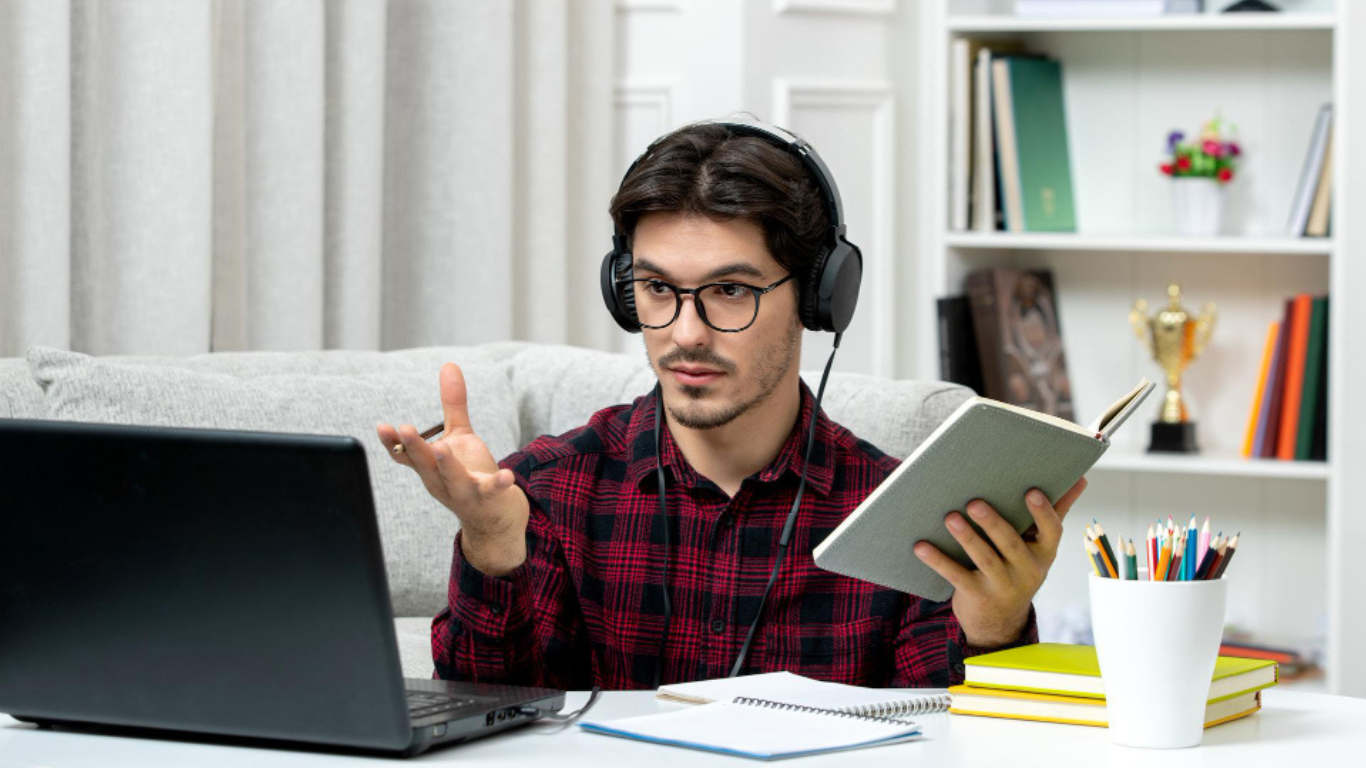
Online classes have revolutionized education but at a hidden cost: widespread sleep deprivation among students. This article uncovers seven powerful reasons why they desperately need more rest, backed by patterns from virtual learning disruptions.
Extended screen exposure and blurred boundaries between study and sleep zones exacerbate fatigue. Prioritizing rest isn’t optional—it’s crucial for sustaining academic performance and health in digital classrooms.
Table of Contents
Reason 1: Screen Blue Light Disrupts Circadian Rhythms
Blue light from laptops and phones suppresses melatonin, the sleep hormone, tricking the brain into staying alert late into the night. Online students often stare at screens for 6-8 hours daily during classes, plus homework, delaying bedtime by 1-2 hours.
This desynchronization leads to poorer sleep quality, with students reporting difficulty falling asleep despite exhaustion. Studies during remote learning phases showed 77% of students experiencing disrupted body clocks, worsening drowsiness.
Chronic exposure heightens risks of long-term sleep disorders, making rest a non-negotiable recovery tool.
Reason 2: Blurred Boundaries Between Home and School
Traditional commutes provided natural breaks; online classes invade home spaces, turning bedrooms into classrooms. Students struggle to “switch off,” with 65% unable to maintain productivity due to lingering mental fatigue.
Without physical separation, evenings blend into study marathons, cutting sleep to 4-5 hours nightly. This setup fosters exhaustion, headaches, and reduced focus, as routines vanish.
Rest restores mental boundaries, allowing brains to process daily overload.
Reason 3: Increased Anxiety and Stress from Virtual Demands
Online platforms amplify pressure—constant notifications, fear of unmuting mishaps, and isolation spike cortisol levels. 92% of remote students report anxiety hindering focus, leading to late-night worry sessions that steal sleep.
Emotional burdens compound, with pandemic-era data linking screen-heavy remote classes to higher stress and depressive symptoms. Sleep deprivation then creates a vicious cycle, impairing emotional regulation.
Adequate rest (7-9 hours) rebuilds resilience against these digital stressors.
Reason 4: Sedentary Lifestyles Reduce Physical Fatigue Signals
Sitting through Zoom marathons eliminates movement that signals tiredness, like post-gym drowsiness. Online students average less physical activity, delaying natural sleep cues and resulting in irregular patterns.
Research links this immobility to fragmented sleep, with disrupted patterns more common in virtual vs. in-person learners. Fatigue builds subtly, demanding compensatory rest for recovery.
Incorporating rest counters sedentary-induced sluggishness.
Reason 5: Distractions and Multitasking Fragment Attention
Multitasking—checking social media during lectures—prolongs study time into wee hours. Sleep-deprived brains crave stimulation, worsening procrastination and extending wakefulness.
Findings indicate online students face more distractions, triggering memory lapses and poor decision-making after 35+ hours of cumulative deprivation. Rest consolidates fragmented focus.
Reason 6: Poor Academic Performance Feedback Loop
Sleep loss impairs memory consolidation and cognitive speed, dropping grades and fueling late-night cramming. 77% of remote students noted “poor” performance tied to daytime sleepiness.
Neuropsychological tests show deprived students underperform vs. well-rested peers, perpetuating a cycle where low marks demand more wakeful effort. Quality rest breaks this loop, enhancing retention.
Reason 7: Physical Health Toll Demands Recovery Time
Eye strain, headaches, and neck pain from prolonged screens manifest as “Zoom fatigue.” Sleep-deprived online students report exhaustion, blurred vision, and even vomiting from shortened rest.
Virtual setups altered sleep for most, with physical symptoms like fatigue dominating. Rest facilitates bodily repair, preventing chronic issues.
| Reason | Key Impact | Sleep Loss Statistic |
|---|---|---|
| Blue Light | Melatonin suppression | 1-2 hour bedtime delay |
| Blurred Boundaries | No “off” switch | 4-5 hours/night |
| Anxiety | Cortisol spikes | 92% focus issues |
| Sedentary | Weak fatigue cues | More disruptions online |
| Distractions | Extended wake time | Memory decline |
| Grades Loop | Cramming cycles | 77% poor performance |
| Health Toll | Headaches, strain | Widespread fatigue |
This table summarizes why rest is urgent.
Long-Term Consequences of Ignoring Rest
Cumulative deprivation risks depression, weakened immunity, and dropout rates. Online learners show higher drowsiness, anxiety, and class absence, threatening futures.
Institutions must advocate sleep hygiene amid digital shifts.
Practical Solutions for Better Rest
Set screen curfews 1 hour pre-bedtime.
Designate non-study zones.
Use blue-light filters and f.lux apps.
Schedule micro-breaks for movement.
Practice 10-minute wind-downs: journaling or stretching.
Implement these for 20% sleep gains.
Role of Educators and Parents
Teachers can cap class lengths at 50 minutes, assign “no-screen” reflections. Parents enforce bedtime routines, modeling rest.
Policy shifts, like flexible deadlines, support recovery.
Case Studies from Virtual Learning Eras
In one study, senior high students averaged 4-5 hours sleep during online shifts, reporting headaches and demotivation—reverting to hybrid improved rest. University peers echoed sluggish thinking and grade drops, resolved via community mentoring.
Real transformations highlight rest’s power.
Building Sustainable Habits
Track sleep with apps like Sleep Cycle. Aim for consistent wake times, even weekends. Nutrition—avoid caffeine post-noon—amplifies gains.
Long-term: hybrid models blending online flexibility with structure.
FAQs
Why do online classes cause more sleep loss than in-person?
Screens disrupt circadian rhythms, and home invasion blurs rest boundaries, cutting sleep to under 5 hours for many.
How much sleep do students really need?
7-9 hours nightly; less impairs cognition and health, per remote learning data.
Can blue light blockers fully fix the issue?
They help melatonin production but pair with curfews for best results against digital delays.
Does sleep deprivation permanently hurt grades?
Chronic cases create loops of poor performance, but rest recovery restores function quickly.
What if a student can’t sleep despite tips?
Consult professionals for underlying anxiety; combine hygiene with routines.
Are younger online students hit hardest?
Yes, high schoolers show severe schedule shifts and physical symptoms from virtual demands.
How can schools enforce better rest?
Shorten sessions, promote hygiene education, and monitor via wellness check-ins.